

In the vibrant city of Barcelona, where art and architecture dance harmoniously amidst the Mediterranean breeze, there exists a name that evokes awe and wonder: Antoni Gaudí.
Understanding the life and work of this Spanish architect and designer is not merely a matter of appreciation; it’s an essential journey through the annals of creative genius and architectural innovation. Let Glam/Amour help you embark on this exploration and discover the profound significance of his legacy.
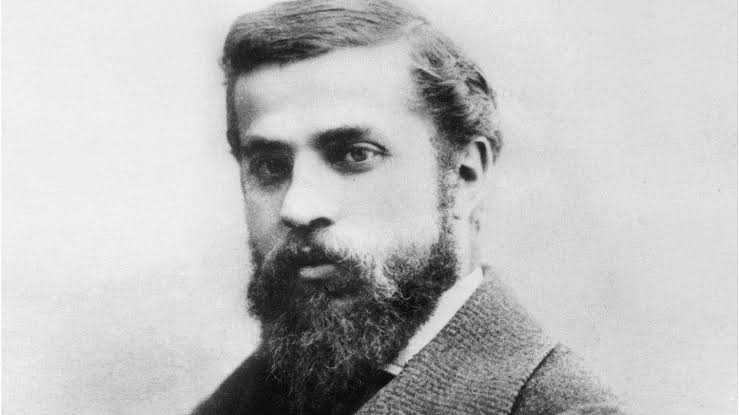
Gaudí’s influence extends far beyond the boundaries of Catalonia and Spain. His architectural vision transcends time and place, inspiring generations and shaping the very essence of contemporary design. In a world marked by rapid urbanization and technological advancement, the works of Antoni Gaudí serve as a timeless reminder of the profound connection between human creativity and the natural world.
Gaudí’s creations are not merely buildings; they are living, breathing works of art. They challenge conventional architectural norms, daring us to dream beyond the confines of brick and mortar. To understand Gaudí is to delve into a world where buildings mimic the organic forms of nature, where light becomes a painter’s brush, and where spirituality finds expression in the very stones and curves of his structures.
Antoni Gaudí‘s journey into the realm of architectural greatness began in the picturesque town of Reus, Catalonia, in 1852. Born into a modest family, Gaudí’s early years were marked by a natural affinity for creativity and a profound connection to his surroundings. His journey towards becoming one of the world’s most renowned architects led him to Barcelona, where he pursued his passion for architecture.
In Barcelona, Gaudí enrolled in the Royal Academy of Fine Arts of Barcelona, where he honed his skills and developed a deep appreciation for Gothic and Moorish architectural styles. These early influences would later become the foundation of his unique design philosophy, characterized by its organic forms and intricate detailing.
Gaudí’s move to Barcelona marked the beginning of an extraordinary artistic journey, one that would transform the city’s skyline and leave an indelible mark on the world of architecture and design.
At the heart of this journey is the Sagrada Família, an architectural masterpiece that defies the boundaries of time and remains perpetually under construction. Its unfinished state is a testament to Gaudí’s dedication to perfection, as well as his belief that art, like life, is an ever-evolving creation. Understanding Gaudí’s Sagrada Família is akin to peering into the depths of an artist’s soul, where faith, imagination, and craftsmanship converge.
The most fascinating fact about Sagrada Familia‘s history is that 140 years after its construction began, it is still an unfinished church. It is the largest unfinished church in the world.
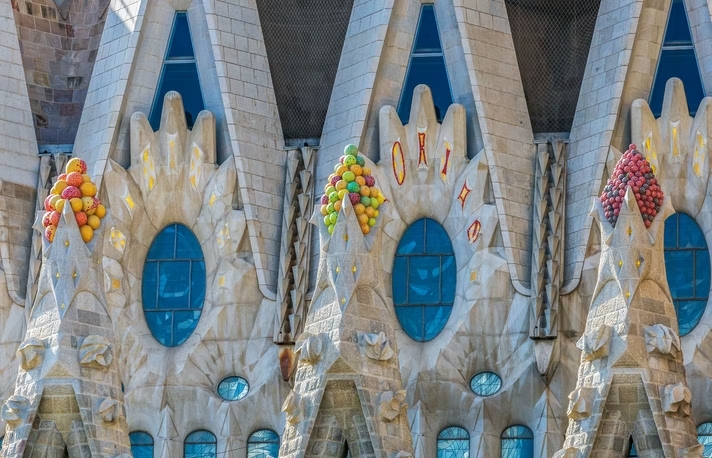
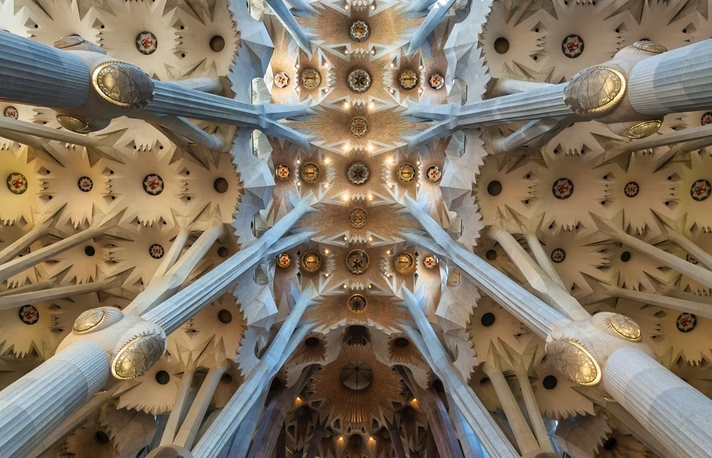

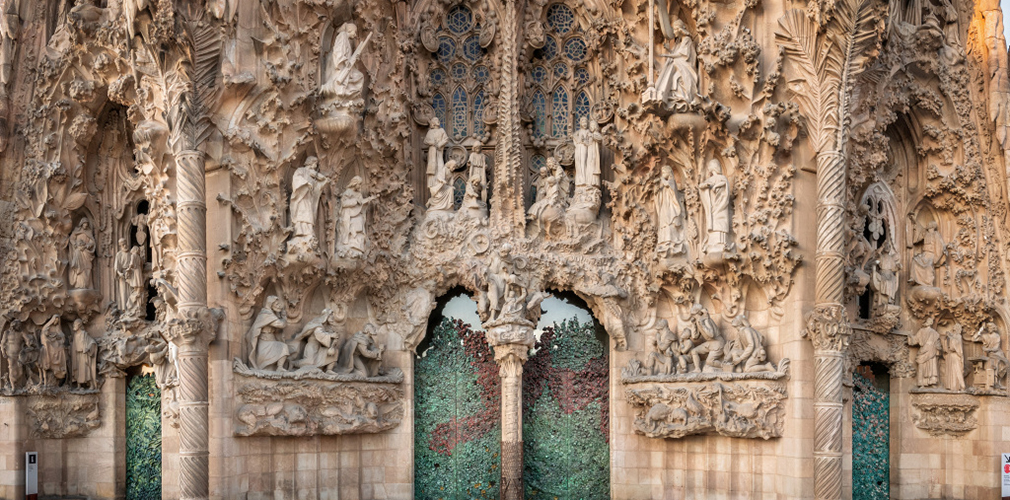
Inside the Sagrada Família, visitors are greeted by a kaleidoscope of colors filtering through magnificent stained glass windows, casting a radiant, ethereal glow upon the stone pillars. Each facet of the basilica tells a story, from the intricate Nativity Facade to the stark Passion Facade. And, although the Glory Facade remains incomplete, it promises to be the grand culmination of Gaudí’s vision.
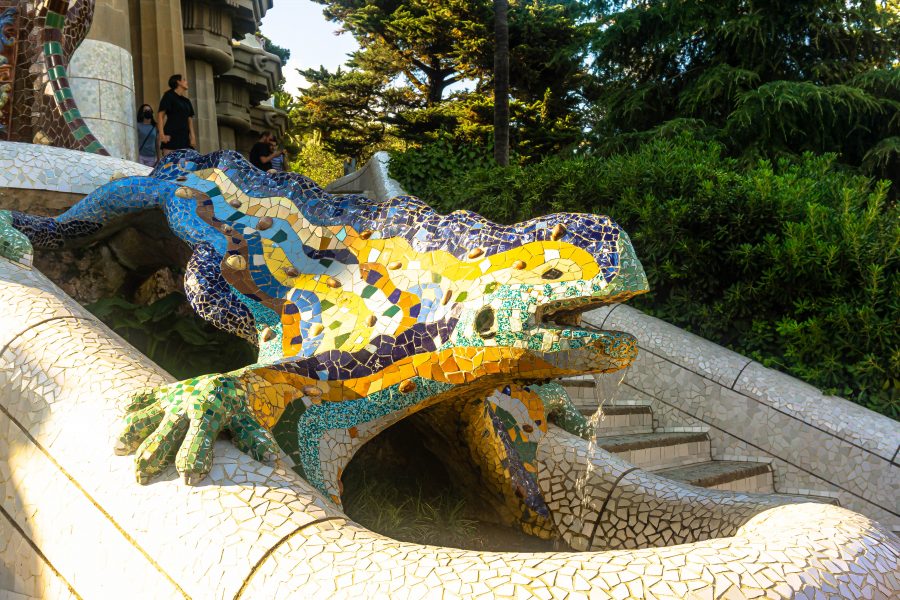
But Gaudí’s legacy does not stop at the Sagrada Família. It weaves its way through the very streets of Barcelona, from the whimsical Park Güell, where mosaic-covered salamanders guard enchanting pathways, to the surreal interiors of Casa Batlló, a private residence turned work of art. Each of his creations beckons us to experience the world through a different lens, to embrace the extraordinary in the everyday.
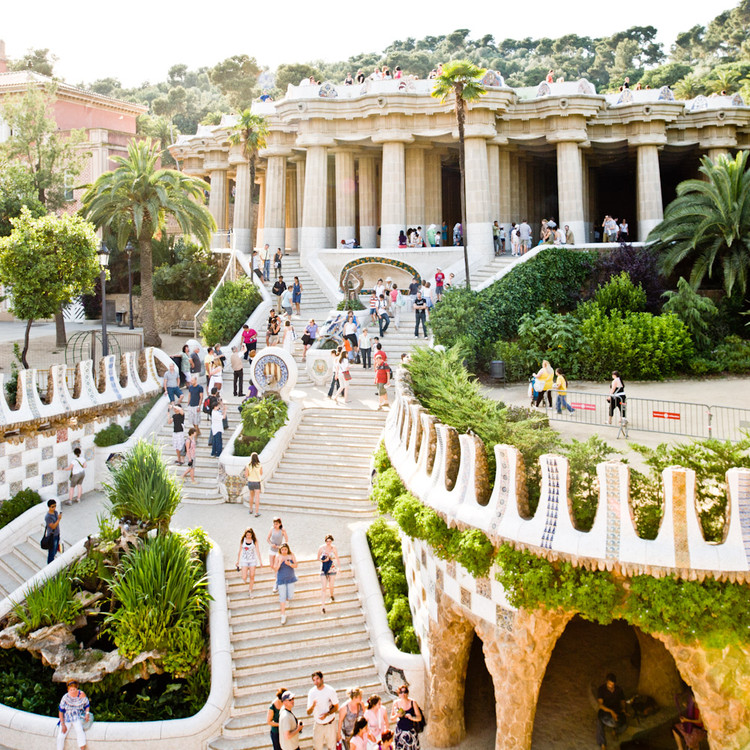
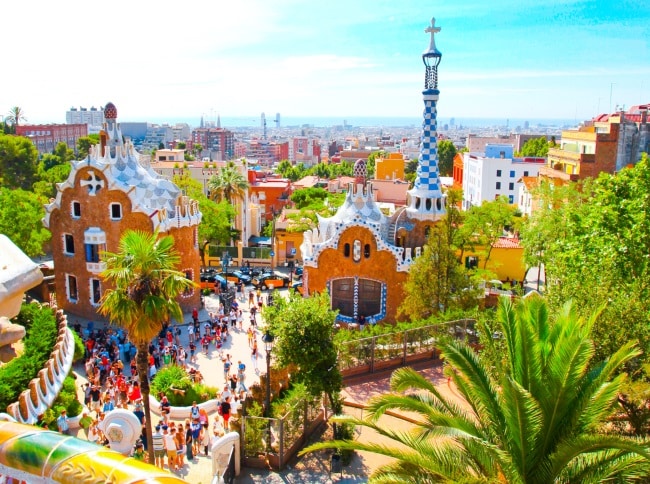
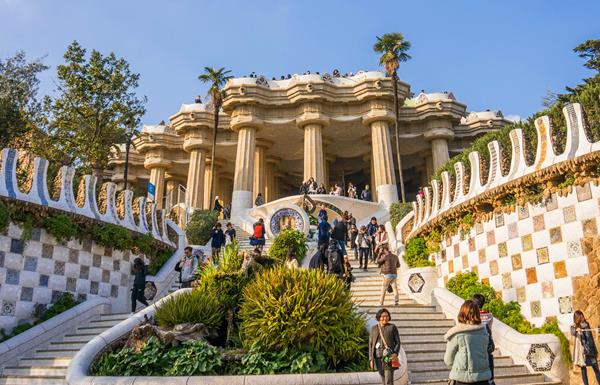
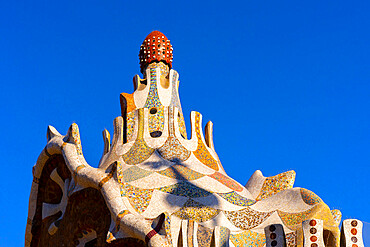
Park Güell is a place where you step into a fairy tale. Meandering pathways are adorned with colorful mosaics, eccentric sculptures, and undulating benches that seem to flow like waves. At the entrance, the famous mosaic-covered salamander, known as “El Drac,” guards the park, inviting visitors into a world of wonder and imagination.
As you ascend the grand staircase, panoramic views of Barcelona unfold before you, framed by the iconic trencadís (mosaic) work that defines Gaudí’s aesthetic. It’s a place where you can lose yourself in the harmony of art and nature, where every nook and cranny seems to whisper tales of a creative genius.
Park Güell is a living canvas where Gaudí’s love for organic forms and vibrant colors finds its fullest expression, inviting visitors to explore a world that blurs the lines between reality and imagination.
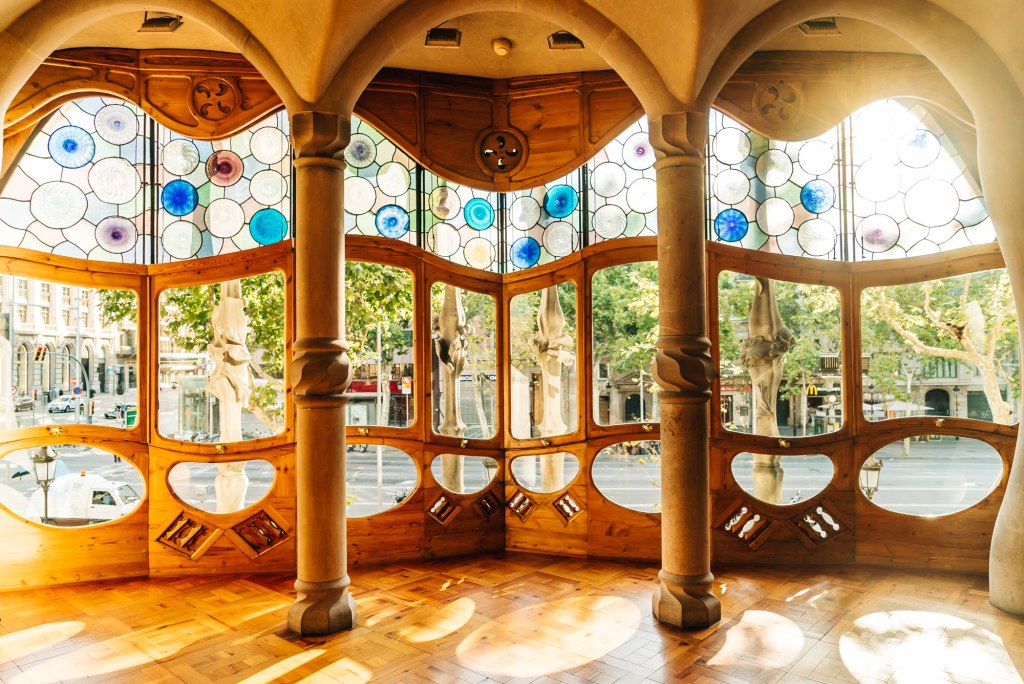
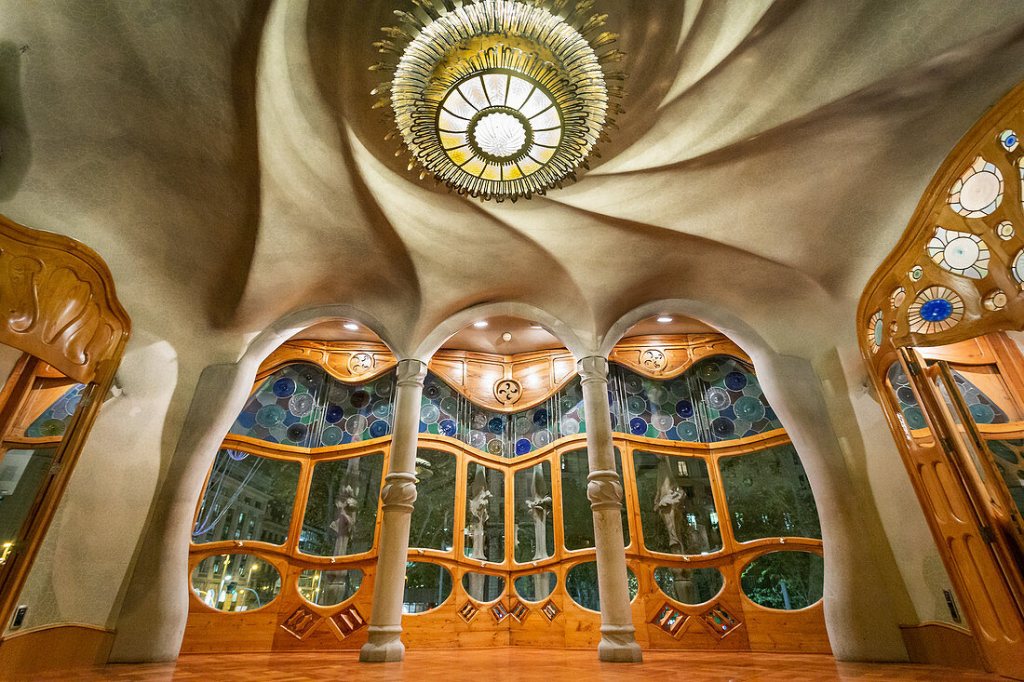

Casa Batlló is an architectural gem in the heart of Barcelona showcases Gaudí’s mastery of Art Nouveau and his penchant for the fantastical.
Approaching Casa Batlló, you’re greeted by a façade that seems to breathe life, with skeletal balconies resembling masks and an undulating roof that evokes the back of a dragon. Step inside, and you’ll be transported to an underwater world, with undulating, organic forms and a color palette reminiscent of the deep sea.
As you explore the house, you’ll discover Gaudí’s meticulous attention to detail, from the innovative use of light wells to the ergonomic design of the furniture. Casa Batlló is a place where architecture transcends mere functionality and becomes a work of art in itself, blurring the boundaries between the exterior and the interior.

In 1984, several of Gaudí’s works, including the Sagrada Família and Park Güell, received UNESCO World Heritage status. This global recognition signifies not only their cultural importance but also their enduring relevance in the modern world. Gaudí’s creations continue to captivate and inspire architects, designers, and art enthusiasts from around the globe, underscoring the universality of his vision.
This is not merely an acknowledgment of Gaudí’s architectural brilliance but also a celebration of the cultural and historical significance of his creations. It signifies their importance in preserving our shared heritage for future generations to appreciate and cherish. These architectural wonders continue to serve as beacons of creativity, reminding us of the transformative potential of human ingenuity.
Antoni Gaudí may have left this world in 1926, but his legacy lives on in the very heart of Barcelona and beyond. His imaginative designs, rooted in nature and spirituality, have inspired countless architects, designers, and creatives, becoming a timeless source of innovation and creativity.
Gaudí’s influence extends across the globe, reminding us that his work transcends time and geography. His organic forms and innovative use of materials continue to inspire architects who seek to push the boundaries of traditional design.
From the sinuous curves of his structures to the intricate details woven into every facet of his buildings, Gaudí’s fingerprint on modern architecture is unmistakable.





 GLAM / AMOUR
Hope you liked the article! Let us know what you think!