

Nestled in the heart of Italy, Rome beckons travelers with an irresistible blend of history, art, culture, and architectural grandeur.
As the Eternal City, Rome’s allure lies in its timeless charm, where the past harmoniously coexists with the present. From the iconic Colosseum and the Vatican Museums to the enchanting streets of Trastevere and the treasures of the Roman Forum, Rome promises an unforgettable journey through the ages. A city that seamlessly weaves the threads of history, culture, and luxury, Rome is a destination where every cobblestone tells a story, and every corner reveals a masterpiece.
Be prepared as Glam/Amour transports you to a world of captivating heritage, where the echoes of emperors, artists, and visionaries resound through the very stones of this remarkable city.
Colosseum
Our expedition commences at the grand Colosseum, an emblem of Rome’s ancient glory.
As you approach the Colosseum, its colossal presence leaves you in awe. This ancient amphitheater, adorned with intricate details and arches, is a true masterpiece of Roman engineering. Standing within its imposing walls, you can almost hear the echoes of gladiatorial battles and the roars of the ancient crowd. The afternoon sun casts enchanting shadows over the structure, creating a magical ambiance that’s perfect for capturing the moment.
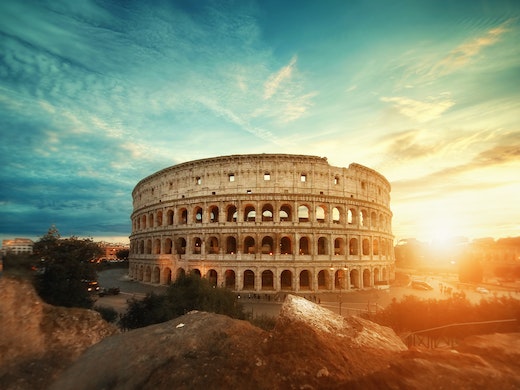
The Colosseum, officially known as the Flavian Amphitheatre (Amphitheatrum Flavium), is one of Rome’s most iconic landmarks, renowned for its architectural design, cultural significance, and rich heritage. The Colosseum is a masterpiece of Roman engineering and architecture. Constructed in 70-80 AD under the emperors Vespasian and Titus, it was designed to host a variety of events, including gladiatorial contests, animal hunts, and mock sea battles.
The Colosseum is immense, with an elliptical shape that measures 189 meters in length, 156 meters in width, and 48 meters in height. It could accommodate up to 80,000 spectators. The amphitheater was an engineering marvel, featuring an extensive system of corridors and underground tunnels that facilitated the movement of people, animals, and scenery.
The Colosseum is a testament to Rome’s historical heritage, representing the grandeur of the Roman Empire. It symbolizes the engineering and architectural achievements of the time, and its preservation allows us to learn about ancient Roman building techniques and innovation.
The Colosseum, along with other historic sites in Rome, is recognized as a UNESCO World Heritage site. Its inclusion on this list emphasizes its cultural, historical, and architectural significance on a global scale.
CLICK HERE – for a virtual Tour of the Colosseum
Foro Romano and Palatino
Wandering through the Roman Forum and Palatine Hill feels like stepping into a time capsule. Amidst the ruins of temples, basilicas, and triumphal arches, you can envision the bustling life of ancient Rome. The ancient cobblestone pathways and the fragments of grand structures tell stories of the city’s rich history, transporting you to a bygone era.
The Roman Forum (Foro Romano) and Palatine Hill (Palatino) are historic archaeological sites in Rome, each with its own distinct architectural design, cultural significance, and rich heritage. The Roman Forum is an open plaza surrounded by the ruins of various ancient structures, showcasing a range of architectural styles and periods. It was originally a marketplace but evolved into a center for political, religious, and social activities. While the Palatine Hill is known for its palatial residences, including the Palace of Domitian, the House of Augustus, and the House of Livia. These structures feature opulent architectural elements like frescoes, mosaics, courtyards, and gardens, reflecting the architectural grandeur of the Roman elite.
Cappella Sistina
The Sistine Chapel, nestled within the Vatican Museums, is one of the world’s most renowned artistic and spiritual treasures. Its significance lies not only in its sacred role as a place for papal conclaves and religious ceremonies but also in the extraordinary artistic masterpiece it houses. The chapel’s ceiling, famously painted by the genius of the Renaissance, Michelangelo Buonarroti, is a testament to the boundless potential of human creativity.
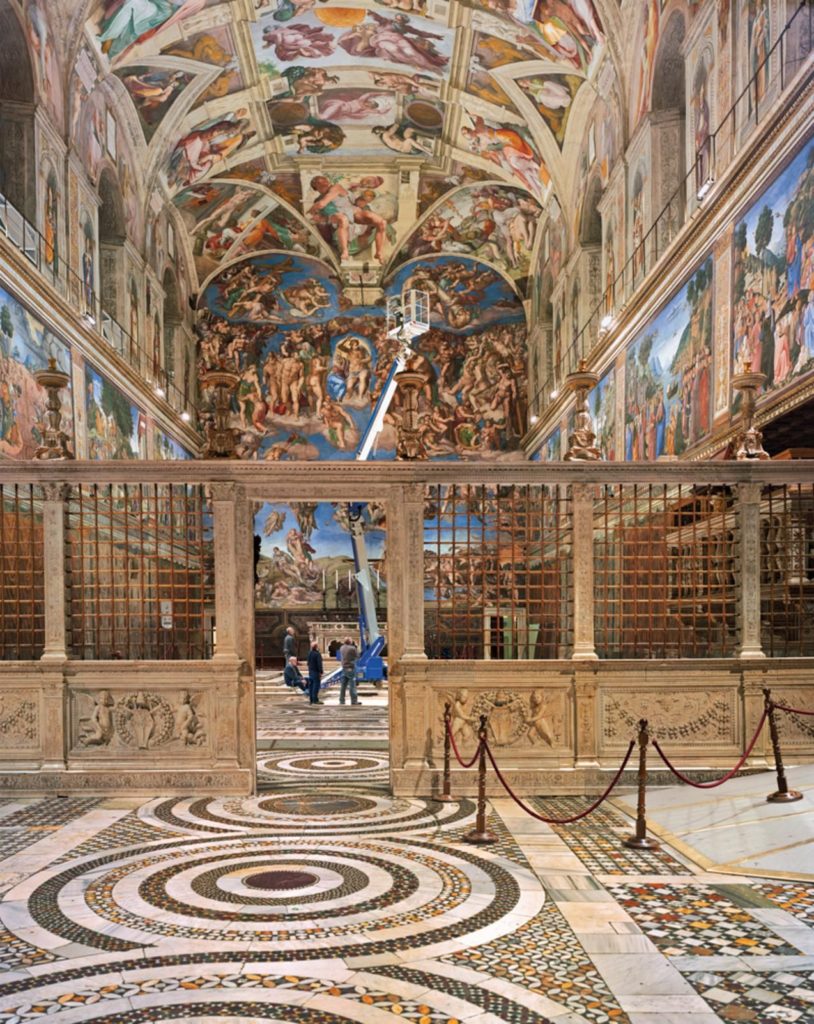
Michelangelo’s journey to create the Sistine Chapel ceiling was nothing short of a labor of love and a testament to his unparalleled artistic genius. Commissioned by Pope Julius II in 1508, the project was both ambitious and challenging. Michelangelo, primarily known as a sculptor, undertook the monumental task of painting the entire ceiling. The resulting masterpiece is an intricate tapestry of biblical stories and divine inspiration.
CLICK HERE – to explore the Sistine Chapel with a virtual tour
As you step into the Sistine Chapel, your eyes are immediately drawn to the ceiling above. The artwork is a visual symphony that tells stories from the Bible, primarily focusing on the Book of Genesis. The central panel features the iconic “Creation of Adam,” a portrayal of God reaching out to touch Adam’s finger, conveying the spark of life. This image alone is an indelible symbol of human potential and the pursuit of knowledge.

Every section of the ceiling is adorned with intricate details and vibrant colors, masterfully executed by Michelangelo’s hand. The artist’s use of light and shadow, perspective, and anatomical precision are awe-inspiring. The vivid blues, rich reds, and golden hues create a breathtaking display of color and emotion. The Sistine Chapel‘s ceiling evokes a profound appreciation for the artistic ingenuity of Michelangelo, the rich tapestry of biblical narratives, and the enduring power of art to inspire and uplift the soul.
Pantheon
The Pantheon, one of Rome’s most iconic and enduring architectural marvels, stands as a testament to the ingenuity of the ancient Romans and their reverence for the divine. Located in the heart of the city, this ancient structure has weathered centuries, making it a must-visit destination for travelers seeking to explore the intersection of history, culture, and architectural brilliance.
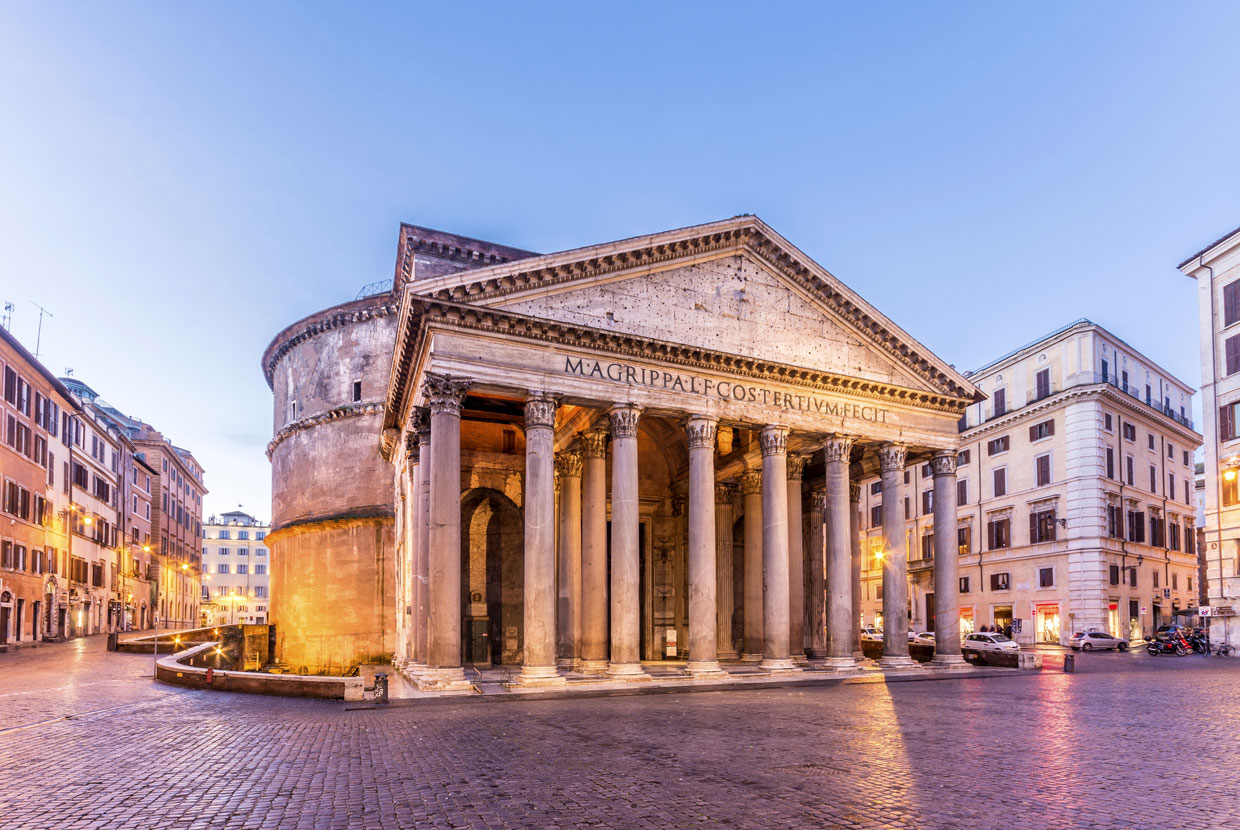
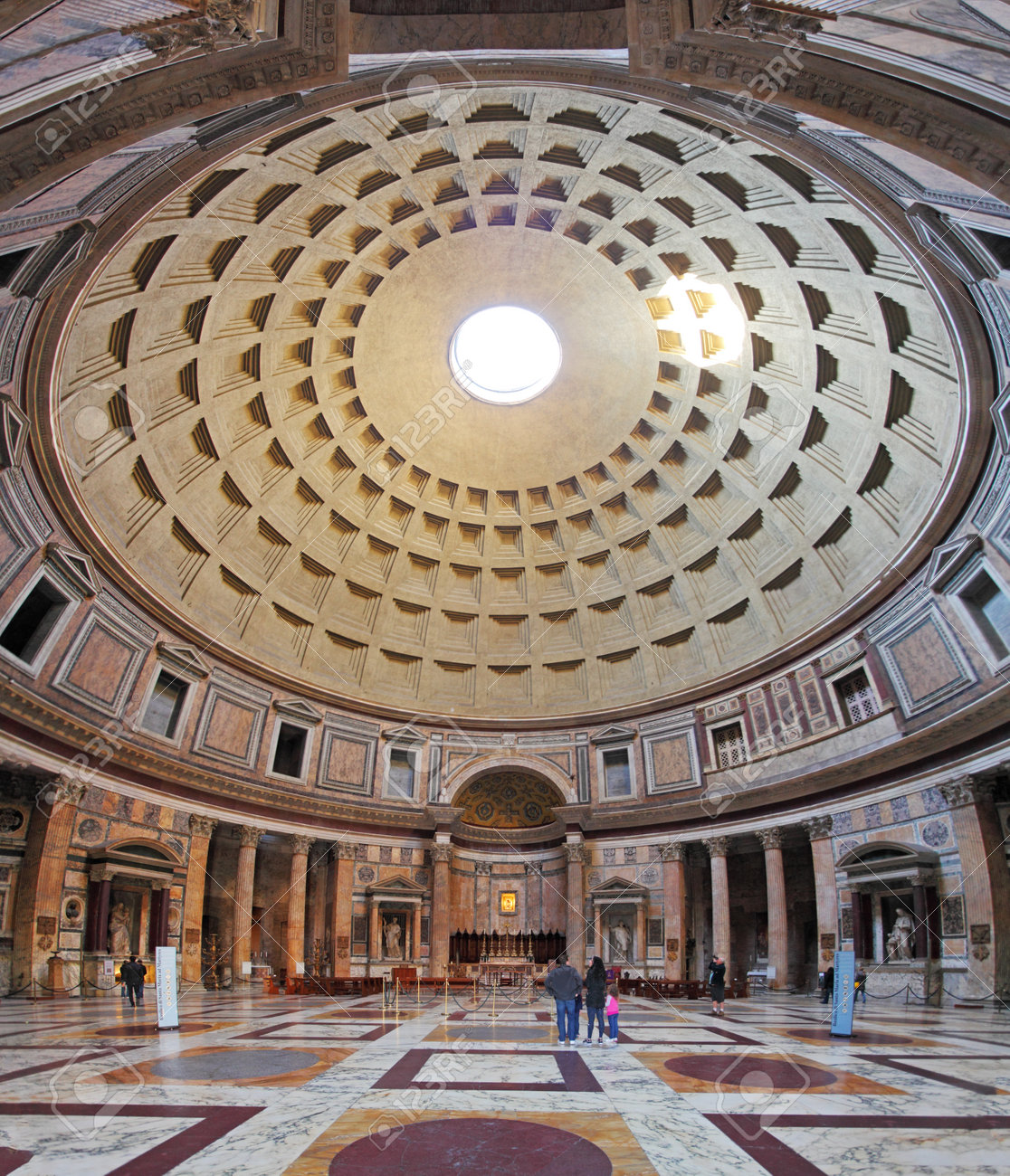
The Pantheon’s most striking feature is its massive dome, which is renowned for being the largest unreinforced concrete dome in the world. The sheer size and ingenuity behind this dome have astounded architects and engineers for centuries. It was built using a revolutionary technique that employed lighter materials near the top and heavier materials closer to the base, making the structure remarkably stable and resilient.
The Oculus, a circular opening at the apex of the dome, serves as the only source of natural light in the building. This ingenious design feature not only illuminates the interior but also creates a captivating interplay of light and shadow throughout the day, adding to the Pantheon’s mystical ambiance.
The Pantheon’s interior is a treasure trove of art and history. Its niches house statues of various Roman gods, while the floor features an elegant geometric pattern. The tomb of the famous artist Raphael lies within the Pantheon, adding to its artistic and historical importance.
Today, the Pantheon stands as a symbol of Rome’s enduring spirit and its dedication to preserving the past. It remains a working church, known as Santa Maria ad Martyres, and its religious significance endures
CLICK HERE – for a virtual tour of the Pantheon
Fontana di Trevi
The Fontana di Trevi, or the Trevi Fountain, is one of Rome’s most iconic and enchanting landmarks. This Baroque masterpiece is not just a beautiful work of art but also a place of tradition and legend.
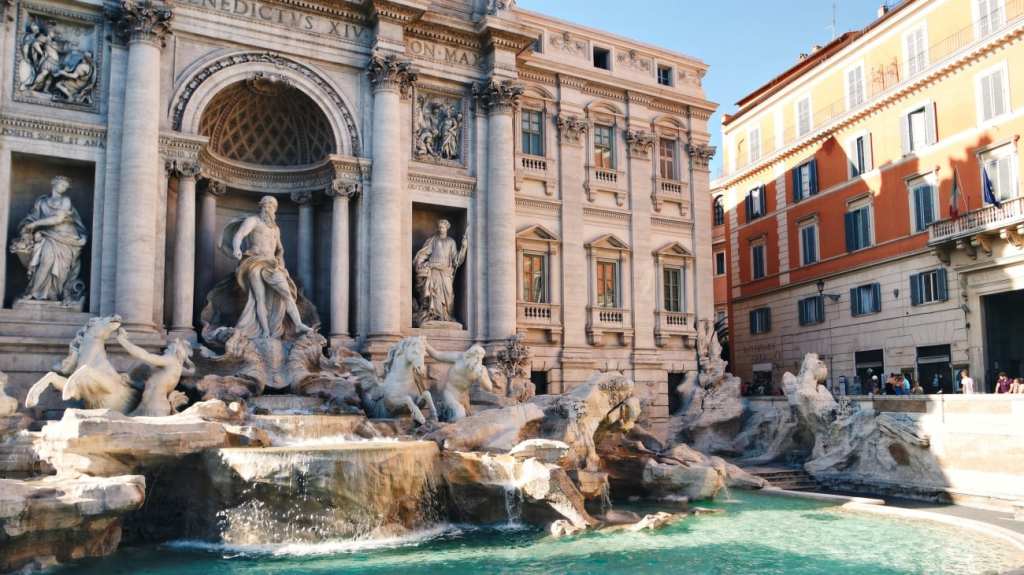
The Trevi Fountain was designed by Italian architect Nicola Salvi and completed in the 18th century. It’s a prime example of Baroque architecture, characterized by its ornate and intricate design. The fountain stands at the junction of three roads (“tre vie,” which is where its name comes from) and is built against the rear of the Palazzo Poli.
The central figure of the fountain is Neptune, the Roman god of the sea, who stands in a chariot pulled by seahorses. Flanking Neptune are Abundance and Salubrity, symbolizing the wealth and health brought by water. The sculptures and reliefs adorning the fountain are masterfully executed, and every detail reflects the essence of the Baroque style.
The Fontana di Trevi is famous for a tradition that has captured the imagination of people from around the world. It’s said that if you stand with your back to the fountain and throw a coin over your left shoulder with your right hand, using your left hand to make the toss, you are ensuring your return to Rome. Throwing two coins can guarantee both a return and a new romance, while three coins can ensure a return, a new romance, and a marriage.
It’s a ritual that brings a sense of hope, adventure, and the magic of wishes coming true.
Piazza di Spagna
The Piazza di Spagna, commonly referred to as the Spanish Steps Square, boasts an iconic and meticulously designed architectural layout. Situated in the heart of Rome’s historic city center, this square is characterized by its distinctive structure and layout, which holds historical significance and contributes to its vibrant ambiance.
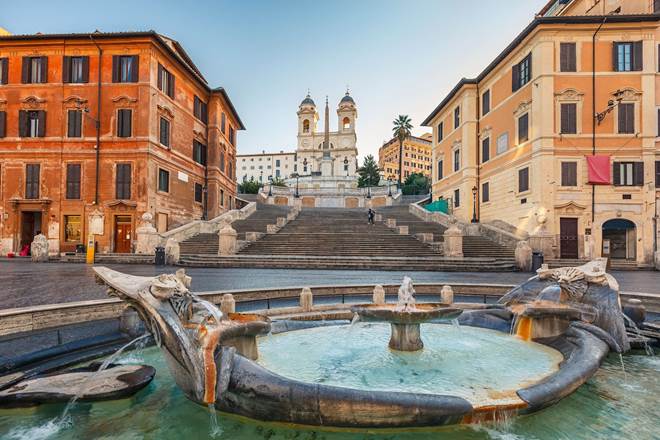
The square derives its name from the Spanish Steps, an imposing staircase consisting of 135 steps that elegantly connects the Piazza di Spagna to the Piazza Trinità dei Monti at its summit. Constructed in the 18th century, these steps serve to bridge the Bourbon Spanish Embassy and the Trinità dei Monti church.
The zenith of the Spanish Steps leads to the Trinità dei Monti church, a French church known for its twin bell towers. Its architectural grandeur and commanding views over the city add to the square’s picturesque and iconic essence.
At the base of the Spanish Steps, one finds the Barcaccia Fountain, an architectural gem designed by Pietro Bernini and his renowned son, Gian Lorenzo Bernini, during the early 17th century. This boat-shaped fountain has become a popular focal point for tourists and locals alike, providing an excellent place to rest and enjoy the surroundings.

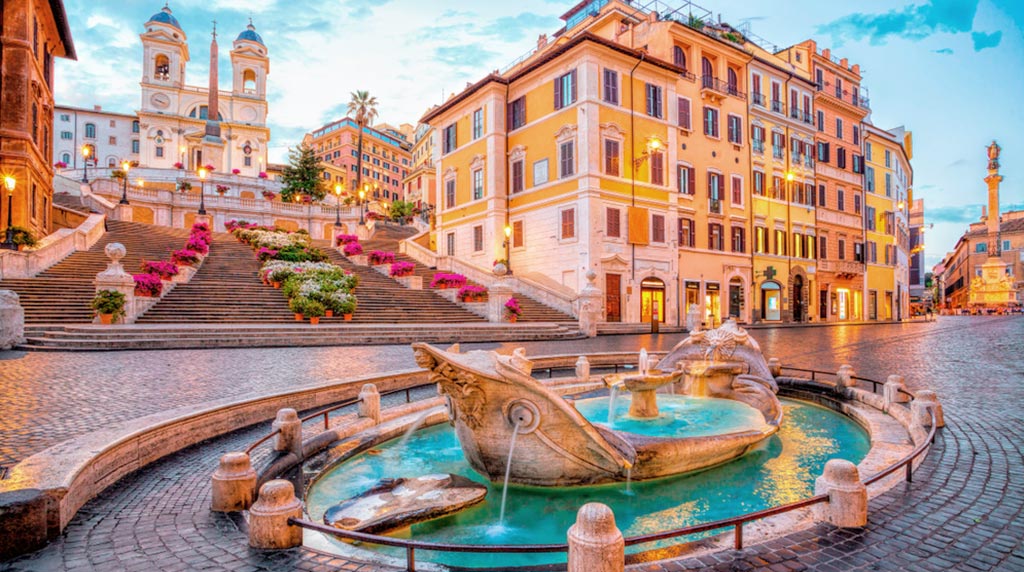
Rome unfolds like an open-air museum, revealing its rich history, captivating culture, and timeless luxury at every turn. These iconic destinations, including the Colosseum, Foro Romano, Musei Vaticani, Pantheon, Fontana di Trevi and Piazza di Spagna among others, represent the heart and soul of the Eternal City, where architectural brilliance, cultural richness, and historical heritage combine to create a city that’s truly timeless.
Rome is a city where every corner brims with history, culture, and a timeless sense of grandeur. So, embrace the magic of the Eternal City and create your own tale of luxury, architecture, culture, and history in Rome. Buon viaggio!






 GLAM / AMOUR
Hope you liked the article! Let us know what you think!