

Saris, the epitome of grace and elegance, have been an integral part of Indian culture for centuries. Beyond being just a garment, each sari is a canvas of intricate designs, reflecting the rich heritage, craftsmanship, and diversity of India.
From the lush Kanjeevarams of South India to the delicate Banarasis of the North, the world of saris is as diverse as it is captivating. Join Glam/Amour as we delve into the mesmerizing world of different types of saris and unravel the stories woven into their intricate designs.



The Kanjeevaram Sari
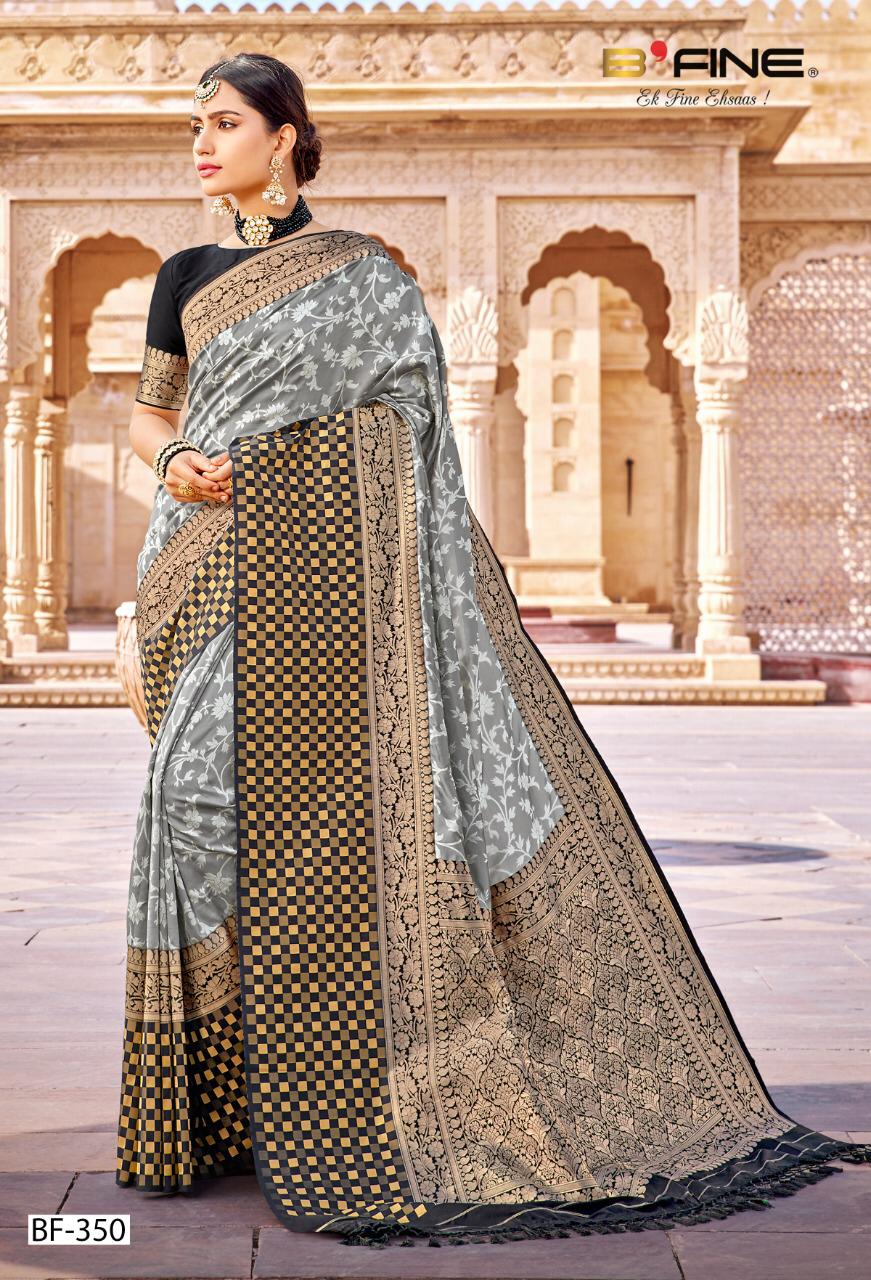
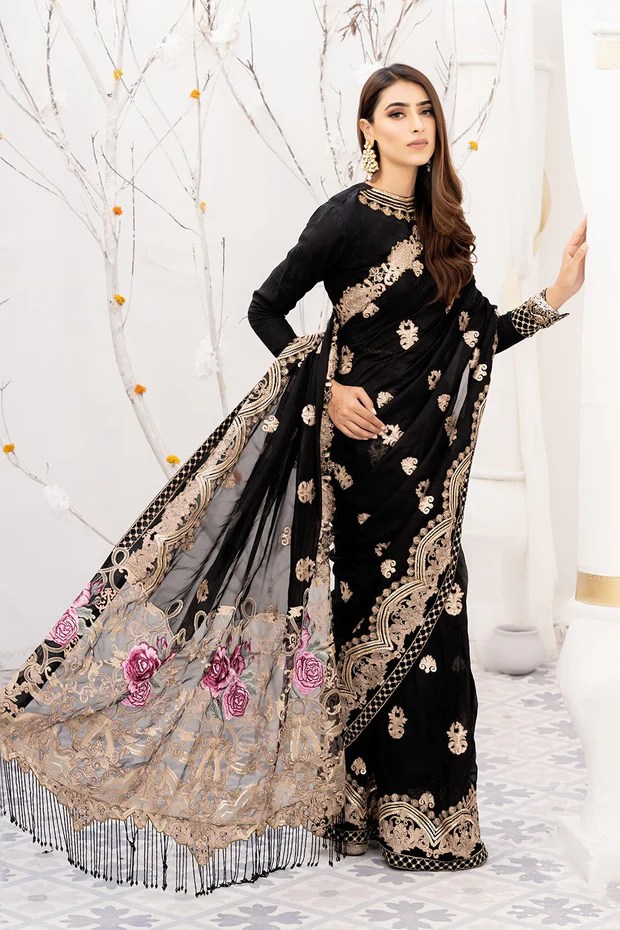
Originating from the town of Kanchipuram in Tamil Nadu, Kanjeevaram saris are renowned for their rich silk fabric and intricate zari work.
These saris often feature motifs inspired by temple architecture, mythological scenes, and traditional motifs like peacocks, mangoes, and elephants. The border and pallu of a Kanjeevaram sari are where the real magic happens, with intricate designs crafted using gold and silver threads.



The Banarasi Sari
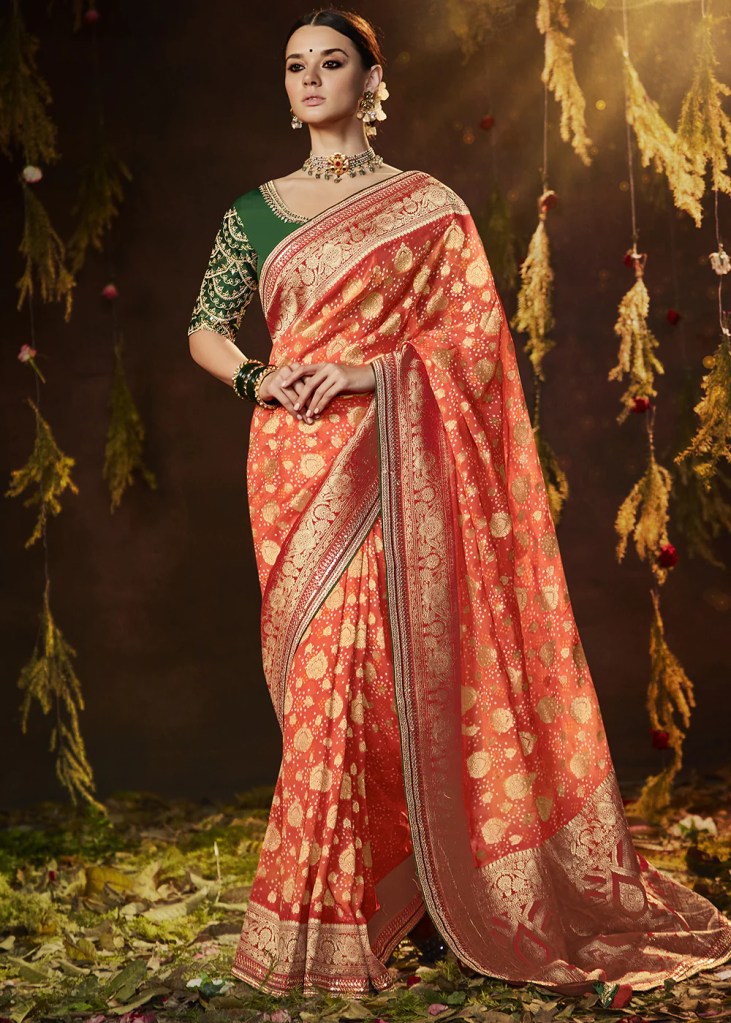
Hailing from the ancient city of Varanasi, Banarasi saris are cherished for their opulent silk fabric and exquisite brocade work.
The hallmark of a Banarasi sari is its intricate floral and paisley motifs, meticulously woven using gold or silver zari threads. The pallu of a Banarasi sari is often adorned with elaborate designs depicting scenes from Indian epics like the Mahabharata and Ramayana, making each sari a piece of artistry and storytelling.

The Chanderi Sari
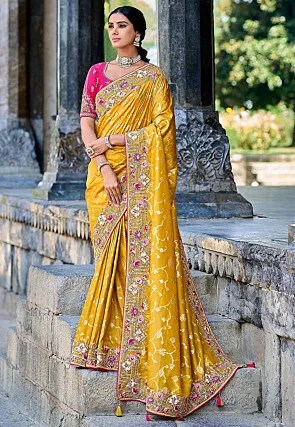
Originating from the town of Chanderi in Madhya Pradesh, Chanderi saris are celebrated for their sheer texture and delicate handwoven designs.
These saris typically feature intricate motifs inspired by nature, such as birds, flowers, and geometric patterns. The borders and pallus of Chanderi saris are adorned with fine zari work, adding a touch of elegance to their understated beauty.

The Bandhani Sari
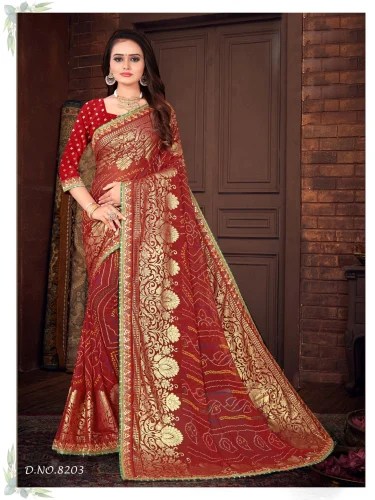
Bandhani, or tie-dye, saris are a specialty of the western Indian states of Gujarat and Rajasthan.
These saris are adorned with tiny dots and patterns created by tying small portions of the fabric with thread before dyeing. The intricate designs of Bandhani saris vary from simple dots to elaborate motifs like flowers, leaves, and geometric patterns. Each Bandhani sari is a testament to the skill and patience of the artisans who meticulously create these mesmerizing patterns.

The Patola Sari
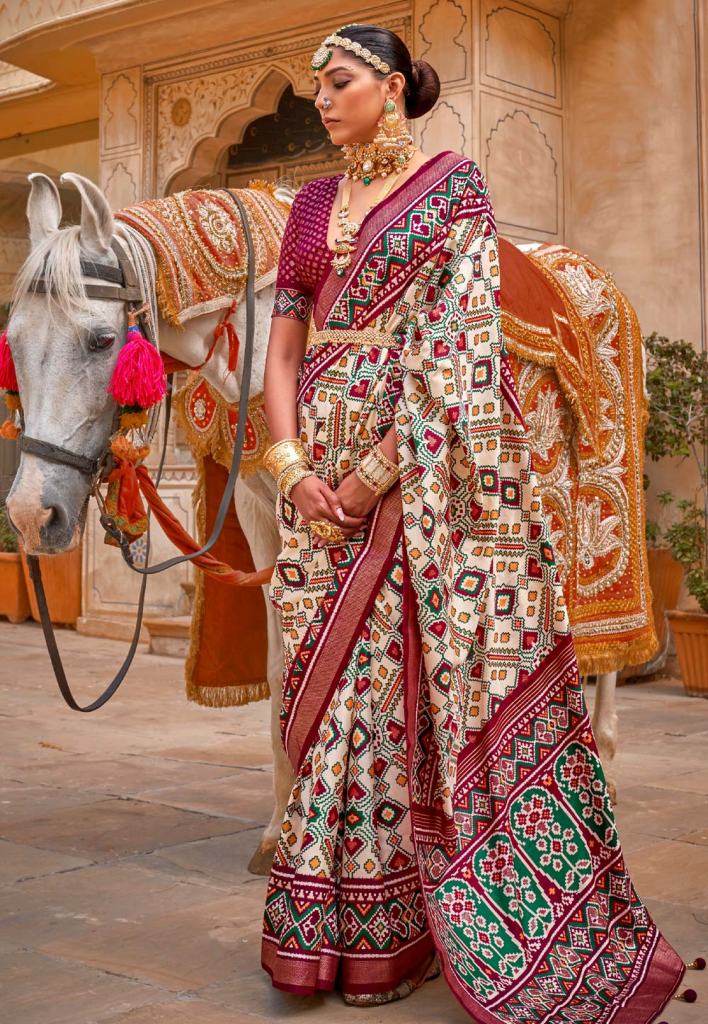
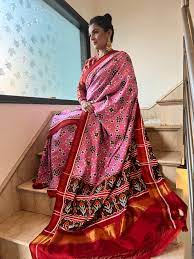
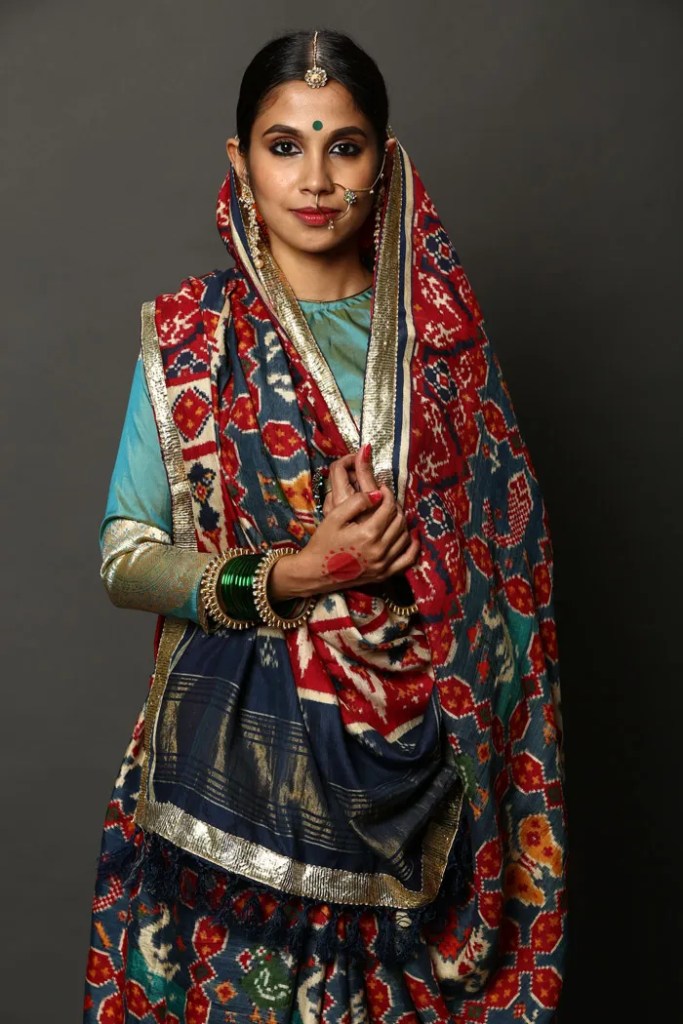
Originating from the Patan region of Gujarat, Patola saris are prized for their double ikat weaving technique, where both the warp and weft threads are tie-dyed before weaving.
These saris feature intricate geometric and floral motifs that appear identical on both sides of the fabric. The precision required to create these symmetrical designs makes Patola saris a rare and cherished treasure, often passed down through generations.

Saris are not just garments; they are embodiments of art, culture, and tradition.
The intricate designs adorning each type of sari narrate tales of skilled craftsmanship, cultural heritage, and timeless elegance. Whether it’s the resplendent Kanjeevarams of the South or the regal Banarasis of the North, each type of sari reflects the beauty and diversity of India’s rich textile heritage.




 GLAM / AMOUR
Hope you liked the article! Let us know what you think!