

In an era where trends rise and fall at the speed of a viral TikTok video, few art forms maintain the balance between tradition and forward-thinking as masterfully as Millinery.
Once an essential part of both men’s and women’s wardrobes, millinery — the art of hat-making — has had its ebbs and flows throughout fashion history. As we look toward the future of this age-old craft, we see a resurgence of interest driven by technological innovation, sustainable practices, and the evolving tastes of a new generation of fashion aficionados.
In this deep dive into the future of millinery, Glam/Amour explores its storied past, current trends shaping its revival, and how contemporary milliners are navigating the confluence of heritage and innovation to redefine what it means to create headwear in the 21st century.
A Brief History of Millinery
The term “millinery” originates from Milan, a city that was historically renowned for its high-quality fabrics and luxury fashion accessories. By the 16th century, hats made by “Milanners” were a symbol of status, worn by both men and women to signify wealth, prestige, and power. It was a time when hats were more than just practical headgear; they were intricate symbols of fashion, identity, and social standing.
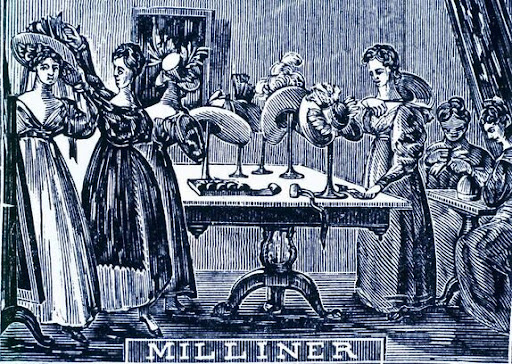
During the late 19th and early 20th centuries, millinery reached its zenith, with European and American milliners creating lavish and extravagant designs. Hats became essential accessories, serving as the crowning glory of a well-dressed individual. Figures like Coco Chanel, who started her career as a milliner, and designers such as Caroline Reboux and Elsa Schiaparelli, elevated the craft to new heights, making millinery synonymous with luxury, art, and sophistication.




However, by the late 20th century, the cultural relevance of millinery began to wane. Social customs changed, and the casualization of fashion meant that hats were no longer an obligatory part of daily dress. Millinery was pushed to the margins, only resurfacing in specific cultural contexts such as royal events, horse races, and weddings.
Yet, as with all things cyclical in fashion, millinery is now seeing a renaissance. Today, it’s not just about heritage, but about how milliners are combining traditional craftsmanship with modern design to create something entirely new and exciting.
The Contemporary Millinery Revival: Craft Meets Technology
The future of millinery is not simply a return to its heyday; it’s about evolving to meet the demands of a fast-paced, increasingly digital world while honoring its roots in craftsmanship.
In recent years, the resurgence of millinery can be attributed to a few key factors: the rise of slow fashion, sustainability, and the desire for unique, handmade pieces that stand apart from the mass-produced offerings that dominate the market.
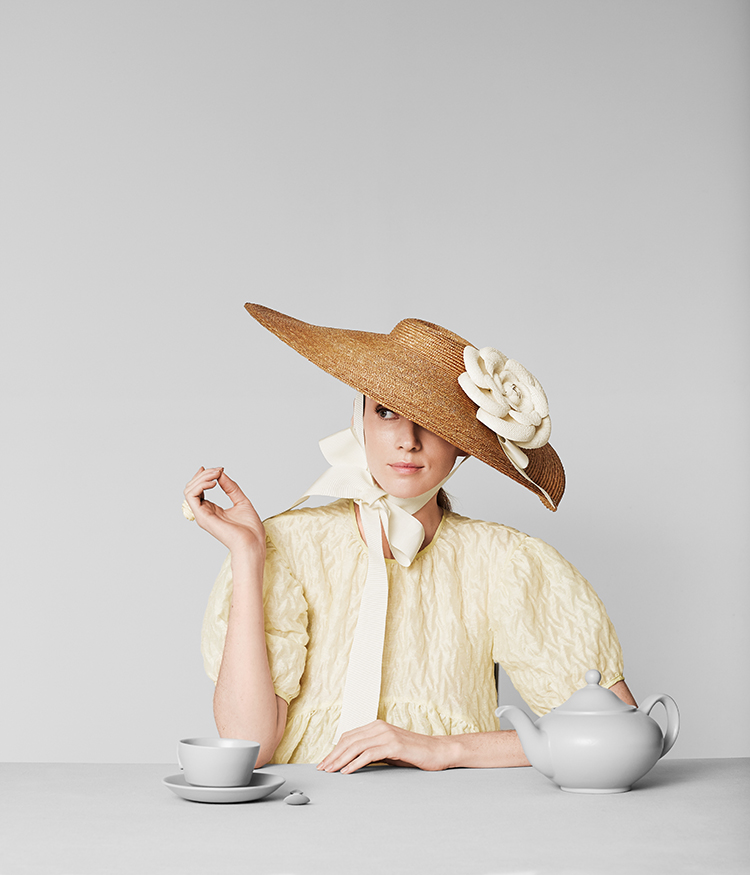
The millinery craft, by nature, aligns with the principles of slow fashion. Every hat is handcrafted, often using age-old techniques passed down through generations. In an age where the fashion industry is reckoning with its environmental impact, milliners have become champions of sustainability. Many modern hat-makers prioritize using ethically sourced materials, like natural straw, felt, and organic cotton, over synthetic fabrics.
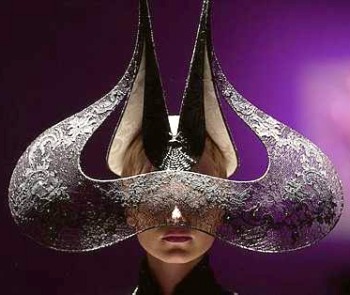
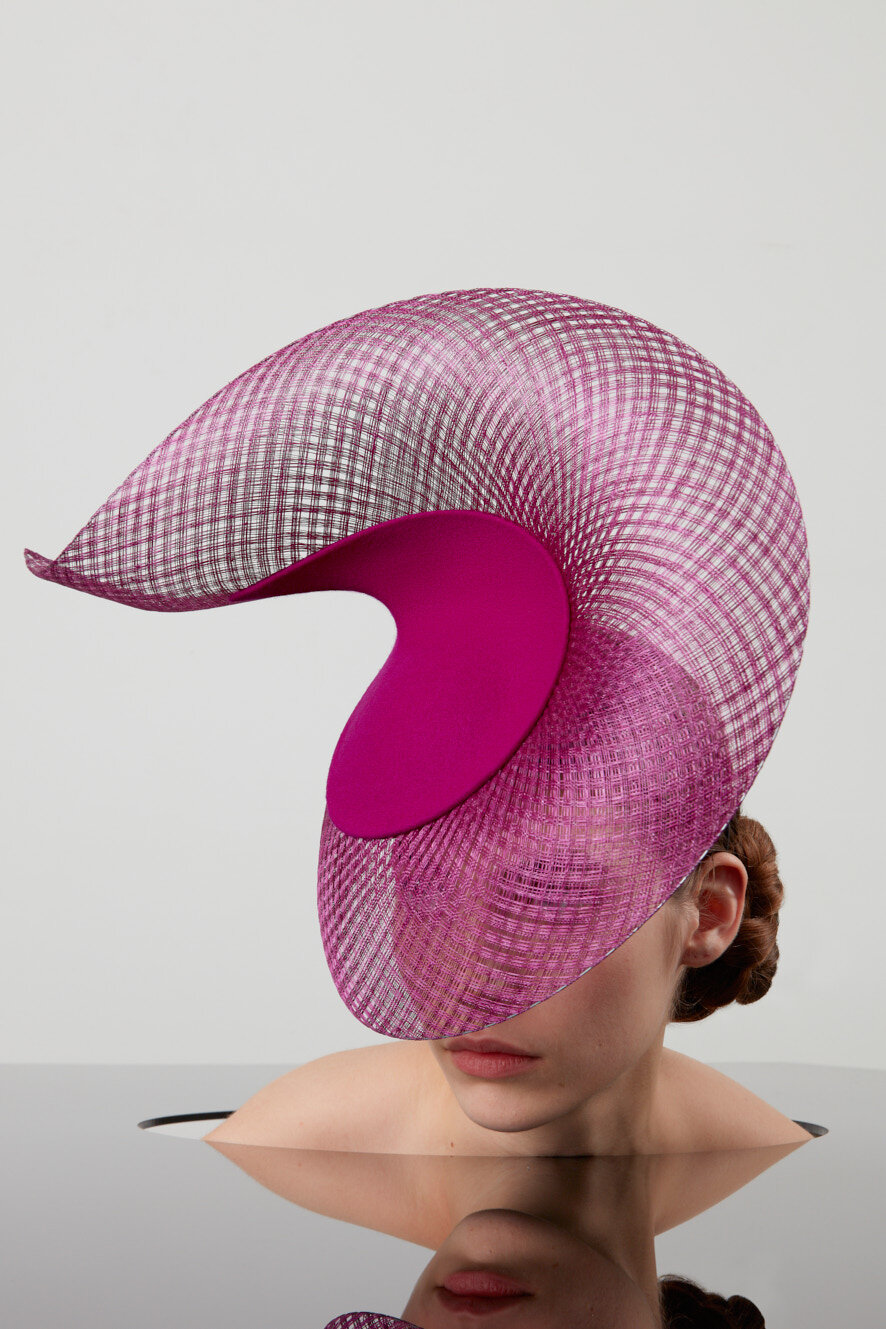
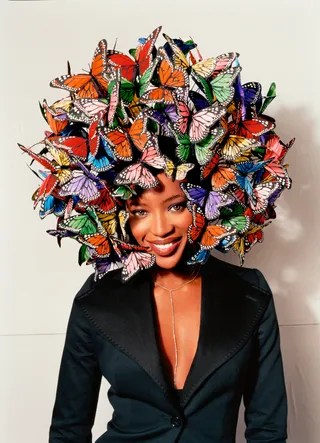




This movement is underscored by the work of contemporary milliners like Philip Treacy and Stephen Jones, both of whom have become icons in the fashion world, known for pushing the boundaries of hat design while maintaining an unwavering commitment to quality and artistry. These milliners understand that while the future demands change, innovation must be rooted in craftsmanship.
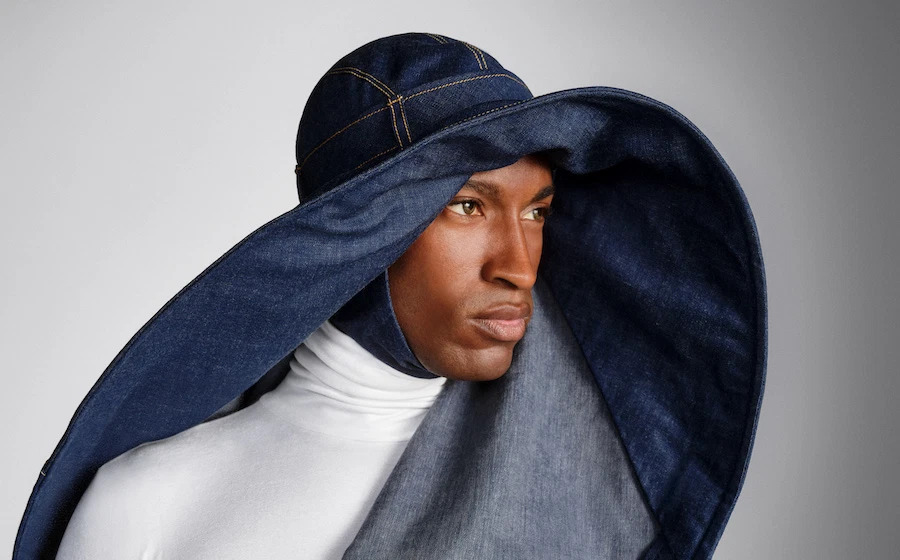
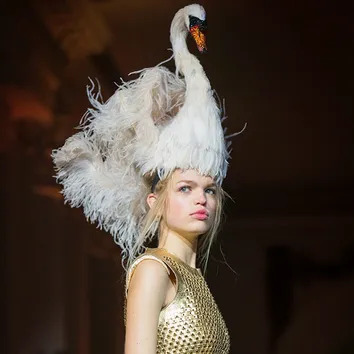

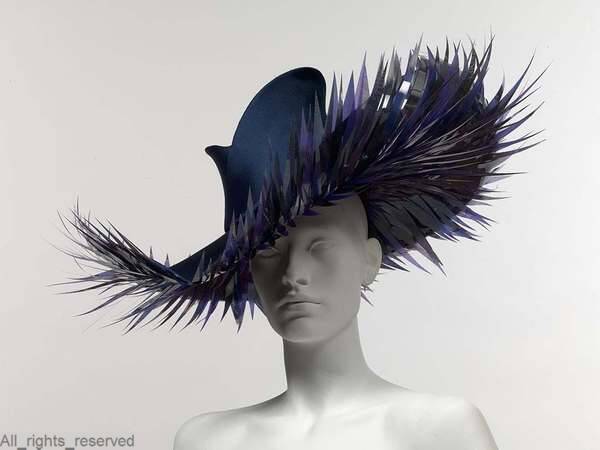


But innovation in millinery goes beyond materials and craftsmanship. As the fashion world continues to embrace technology, milliners are also finding ways to integrate tech into their designs. 3D printing has started to make its way into the hat-making process, allowing for the creation of complex, sculptural designs that were previously unimaginable. This fusion of art and technology is helping to bring millinery into the future, allowing designers to experiment with new forms and materials.
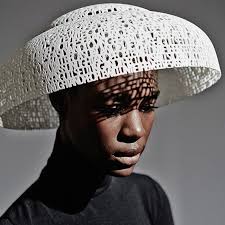

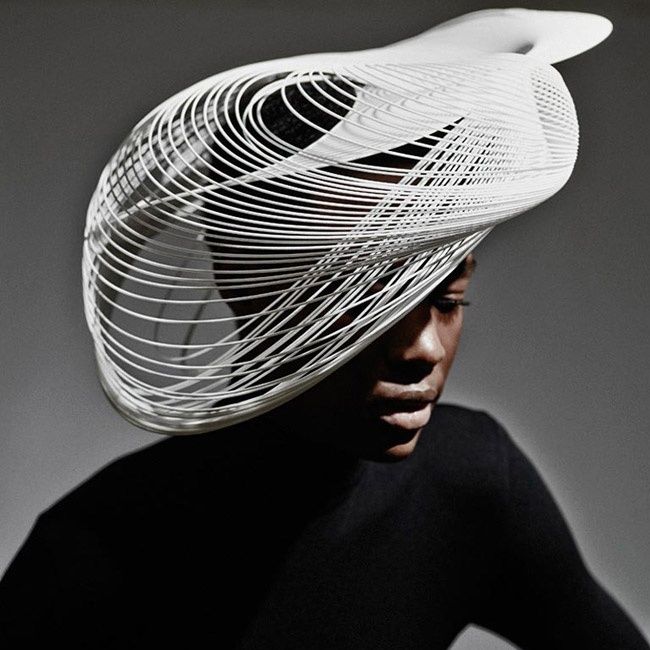
For instance, designers are now able to experiment with biodegradable materials or smart textiles that react to temperature, light, and sound, creating hats that are both functional and futuristic. This intersection of technology and artistry offers limitless possibilities, transforming millinery from a traditional craft into a future-forward fashion statement.
Sustainability and Ethical Practices: The Future of Fashion
Sustainability has become a cornerstone of the modern fashion industry, and millinery is no exception. As milliners look to the future, many are focusing on creating hats that are not only beautiful but also environmentally friendly. This means sourcing materials responsibly, reducing waste in the production process, and creating designs that are meant to last.
Top millinery brands like Maison Michel and Lock & Co. Hatters are leading the way in this movement. They are committed to using sustainable materials such as organic cotton, recycled fabrics, and biodegradable straws. Furthermore, they employ ethical production practices, ensuring fair wages and safe working conditions for their artisans.


The Future of Millinery: A Renaissance in the Making
As we look to the future, it’s clear that millinery is in the midst of a renaissance. The next chapter of this storied craft will be defined by its ability to adapt to the modern world while staying true to its roots. Whether through the integration of technology, the rise of sustainability, or the democratization of luxury, millinery is poised to reclaim its place as a vital part of the fashion landscape.
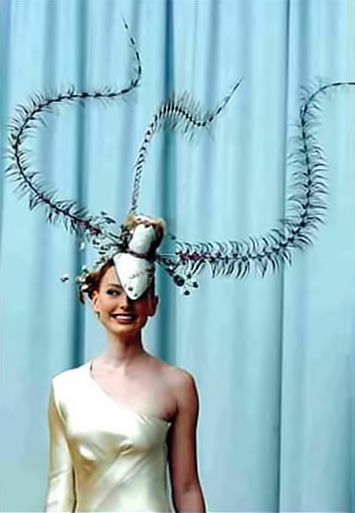
Actress Alicia Witt wearing the world’s most expensive hat. $2,700,000
From the hands of artisans to the heads of celebrities, Millinery will continue to evolve, shaped by the creativity, innovation, and passion of the designers who keep this art form alive.
In a world that’s constantly changing, the future of millinery lies in its ability to blend the old with the new, offering hats that are not just accessories, but works of art — a true testament to the enduring power of craftsmanship in the face of modernity.




 GLAM / AMOUR
Hope you liked the article! Let us know what you think!