
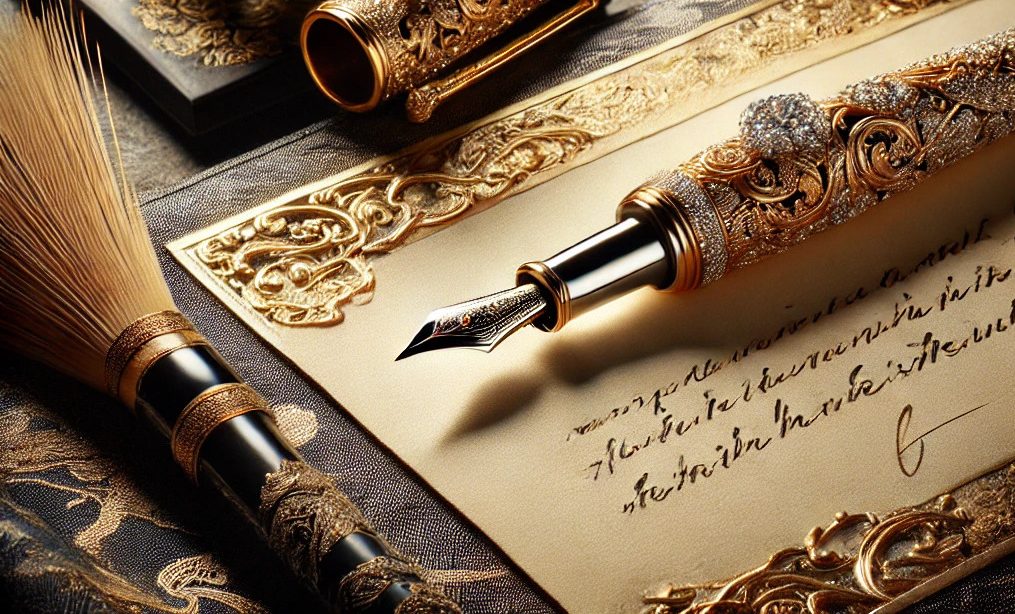
In an age where sleek touchscreens and AI-generated texts dominate communication, the Fountain Pen — a once-coveted symbol of elegance and intellect — has quietly faded into the background.
The literary world, once defined by the rhythm of ink flowing onto paper, now moves at the speed of digital keystrokes, favoring convenience over craftsmanship. Yet, there is an undeniable beauty in the act of using a fountain pen—the gentle resistance of the nib against fine paper, the deliberate strokes that turn words into an art form.
Much like the elegance of Japanese brush writing, where each movement is a dance of precision and expression, the fountain pen once offered a deeply personal connection between writer and page. But as modernity prizes efficiency over artistry, have we lost something irreplaceable in the pursuit of progress?
Despite the march of technology, the allure of fine writing instruments remains undiminished for a discerning few who appreciate the art behind the tools. While both the Fountain Pen and Japanese calligraphy brush share an intrinsic elegance, their stature extends far beyond their simple physical forms. These instruments, though fundamentally designed for the humble act of writing, have reached extraordinary levels of luxury, transformed into objects d’art that transcend mere functionality.
Join Glam/Amour as we delve deeper into the history of these historically artistic instruments and their journey thus far.
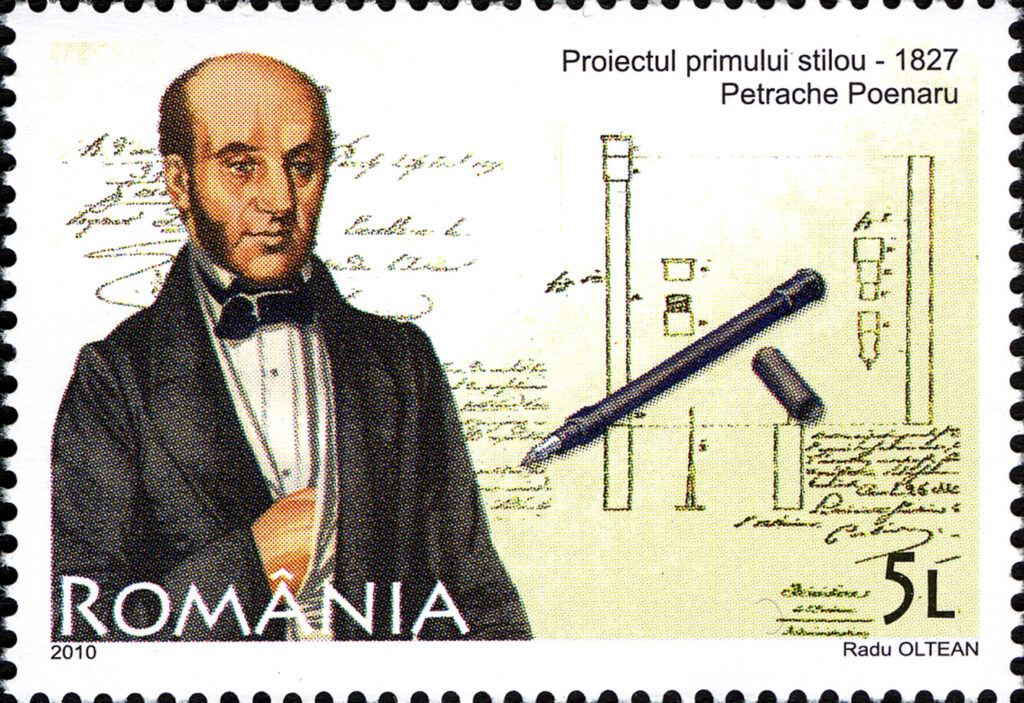
Historically, the modern fountain pen as we know it today was patented by Romanian inventor Petrache Poenaru in 1827, revolutionizing the way ink was delivered to paper. Over the centuries, it evolved from a utilitarian tool to a status symbol, with brands such as Montblanc, Caran d’Ache, and others elevating the fountain pen into the realm of high jewelry. Much like haute couture, the creation of these exquisite pens is an exercise in meticulous craftsmanship, often involving the world’s finest artisans.

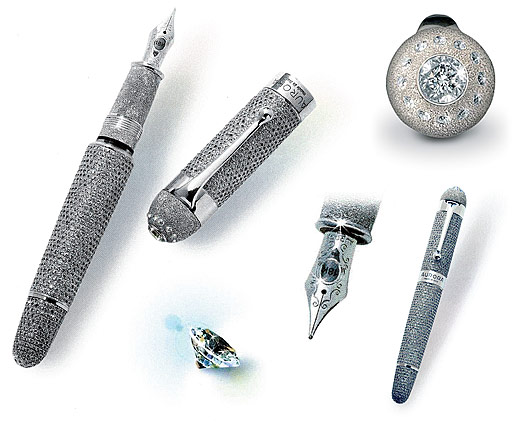
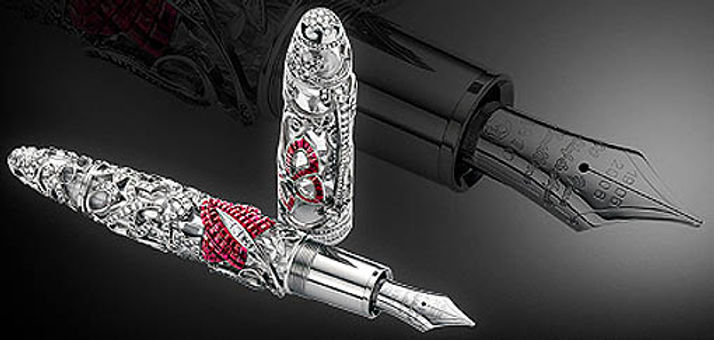
Consider the Aurora Diamante Fountain Pen, an unparalleled masterpiece that commands a price tag of approximately $1.47 million. Encrusted with 30 carats of De Beers diamonds and crafted from pure platinum, this pen is more than a mere writing instrument—it is a collector’s dream, a statement of power and prestige.
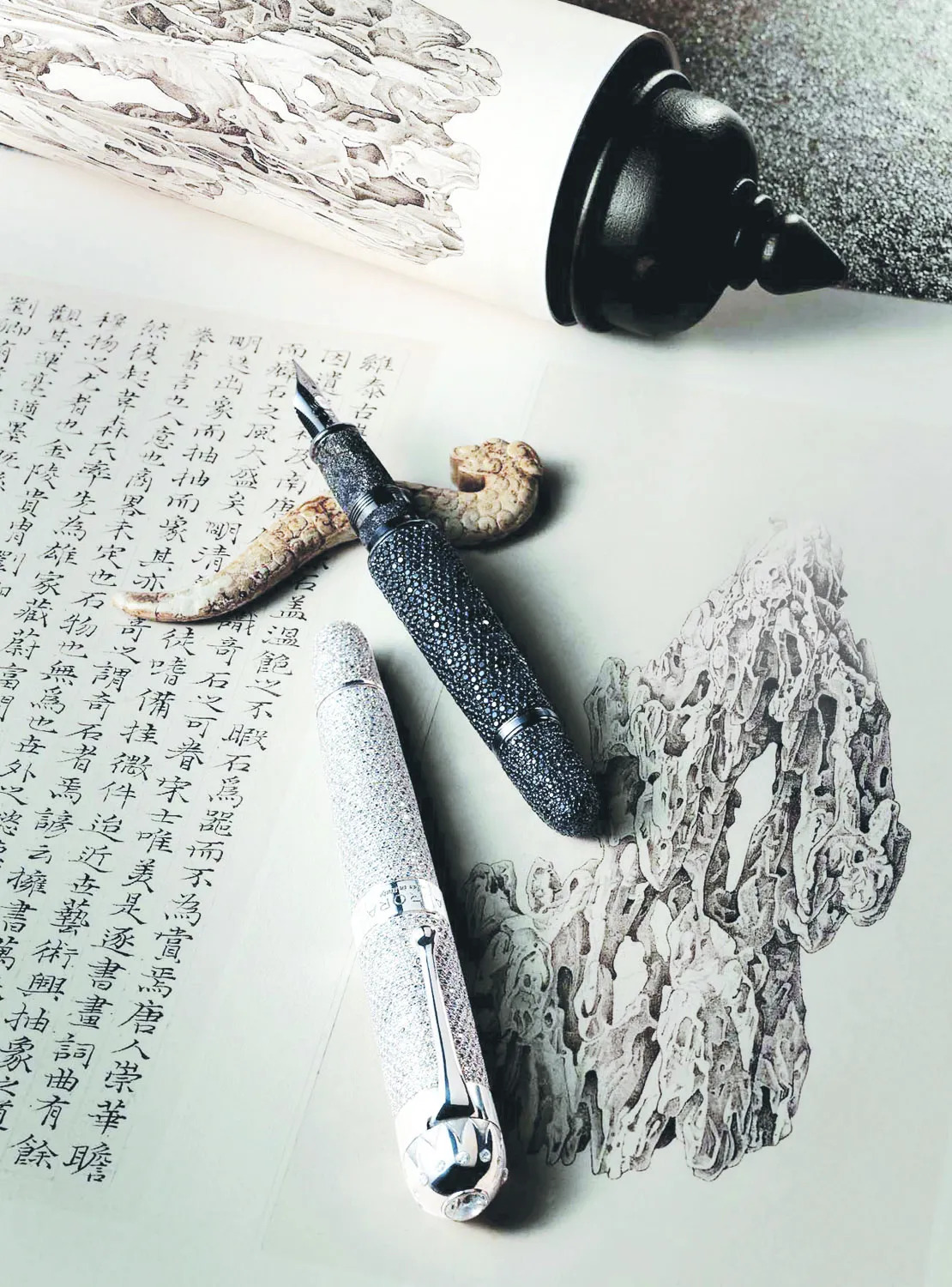

Then there is the Montblanc and Van Cleef & Arpels Mystery Masterpiece, a collaboration between two of the most storied luxury maisons. This limited-edition writing instrument, adorned with intricate diamond and sapphire embellishments, is as much a work of jewelry as it is a pen.
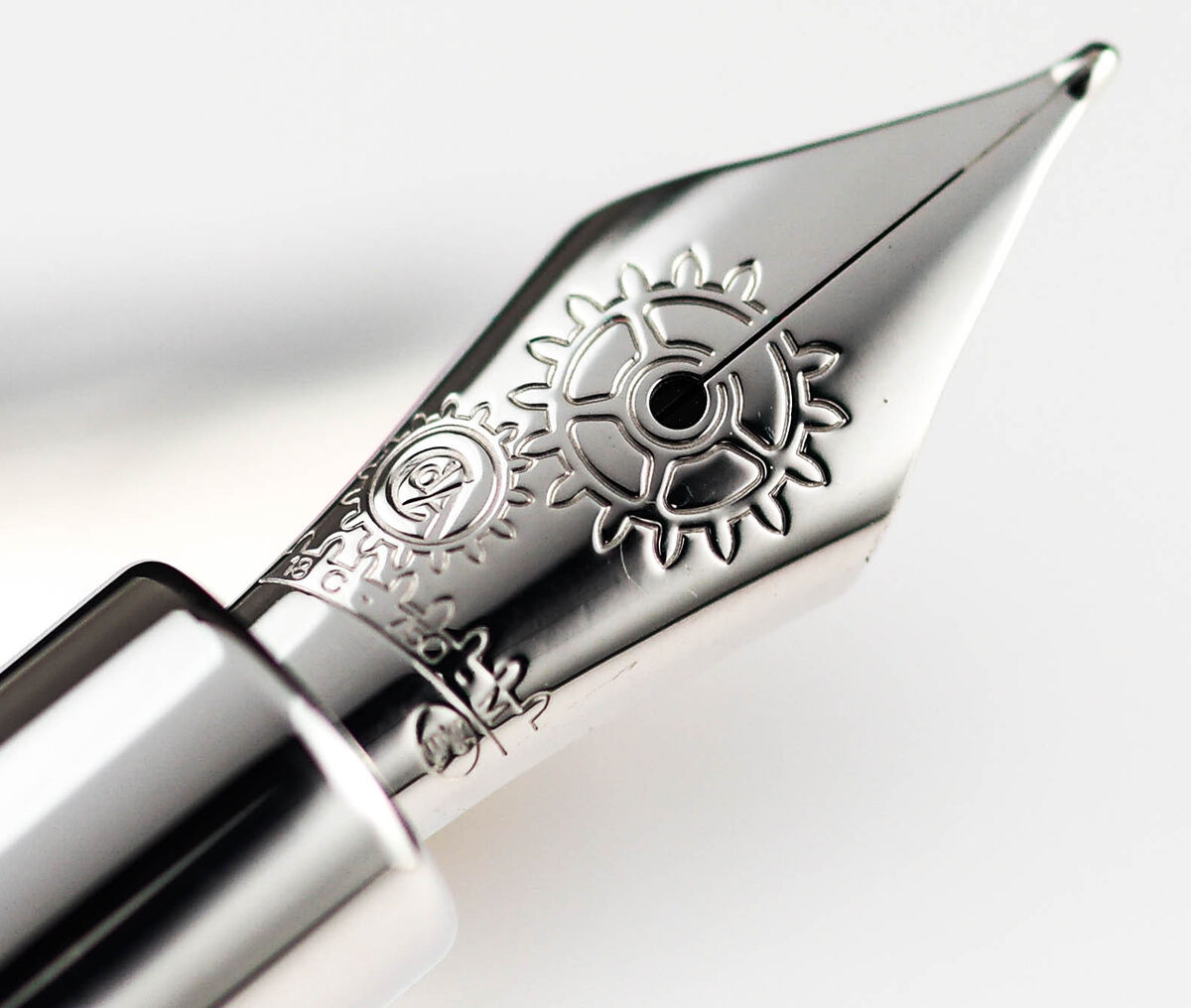
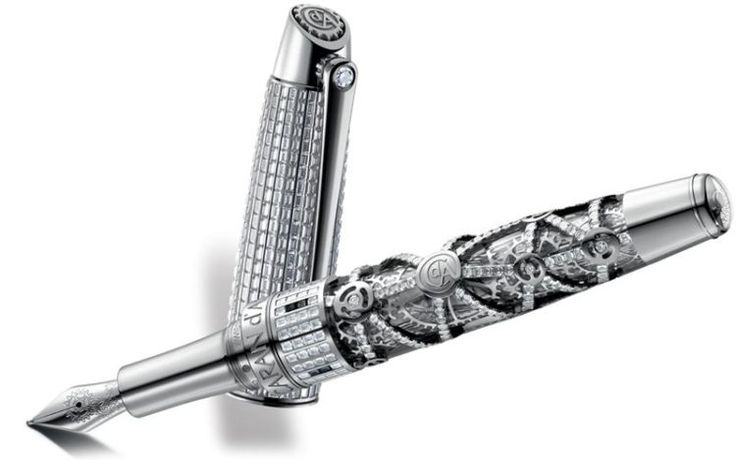
The Caran d’Ache 1010 Diamonds Fountain Pen, valued at $1 million, takes inspiration from the world of horology, its design featuring delicate engravings reminiscent of a Swiss timepiece, while over 850 diamonds sparkle from its body.
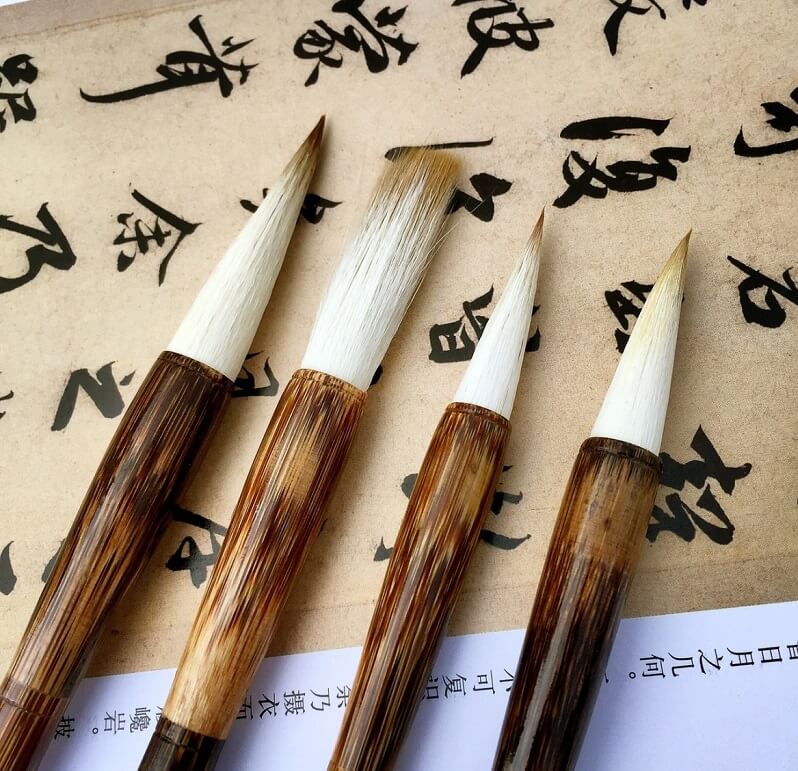
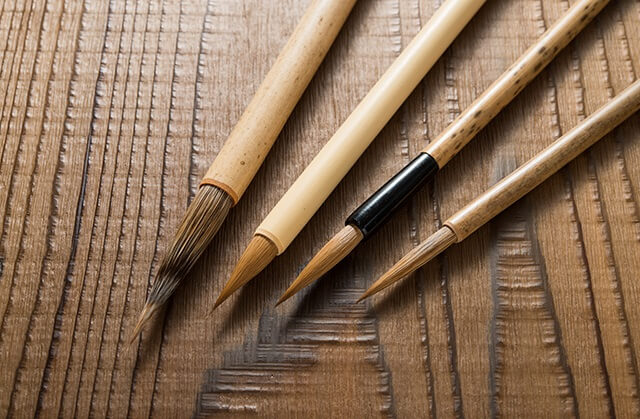
In stark contrast, Japanese calligraphy brushes, while lacking such opulent embellishments, embody a different kind of luxury—one steeped in heritage and tradition. The Art of Shodō, or Japanese calligraphy, is a discipline requiring years of training to master the controlled, expressive strokes that define the craft.
Much like the nib of a fountain pen gliding across fine parchment, a calligraphy brush dances over rice paper with fluid grace, bringing each character to life in a way that digital fonts can never replicate. These brushes, often handcrafted from rare woods and animal hair, are prized for their sensitivity and balance, treasured by calligraphers and art collectors alike.
Yet, in today’s digital landscape, where the written word is increasingly composed on backlit screens, do these instruments still hold their worth beyond collectors and connoisseurs? The answer lies in the enduring Power of Tangible Luxury.
Ultimately, the true value of a luxury fountain pen or a masterfully crafted brush is not merely in its price tag but in the intangible elegance it bestows upon the user. These instruments serve as a bridge between past and present, art and function, tradition and innovation.
And while the digital age may continue to shape the literary world, the timeless romance of pen and ink will forever remain an emblem of refinement, waiting patiently in the hands of those who still believe in the beauty of the written word.






 GLAM / AMOUR
Hope you liked the article! Let us know what you think!