

In a world where luxury often intertwines with exclusivity, few icons have managed to straddle the realms of mass appeal and opulence as seamlessly as Barbie.
Since her debut in 1959, Barbie has evolved from a mere toy into a global symbol of style, aspiration, and yes, luxury. But what is it about this 11.5-inch plastic doll that has captured the hearts of millions and established a place in the world of high-end fashion and luxury collectibles?

Join Glam/Amour as we delve into Barbie’s history, her evolution, and the extraordinary value some versions of this doll have commanded in the market to understand her unique position in the luxury world.
The Birth of a Cultural Icon
Barbie was born in 1959, the brainchild of Ruth Handler, co-founder of Mattel, Inc. Inspired by a German doll named Bild Lilli, Handler envisioned a doll that would allow young girls to imagine themselves in adult roles, breaking the mold of the baby dolls that dominated the market at the time.
Barbie’s debut at the American International Toy Fair in New York was nothing short of revolutionary. With her strikingly adult features, stylish wardrobe, and an aura of sophistication, Barbie quickly became a must-have for girls across America.

Barbie wasn’t just a doll; she was a lifestyle, an aspiration. From the very beginning, she was marketed not merely as a toy, but as a fashion-forward trendsetter. Her wardrobe, which included chic outfits designed by the likes of Oscar de la Renta, signaled that Barbie was no ordinary doll—she was a symbol of the latest trends and, by extension, Luxury.


The Evolution of Barbie: From Toy to Luxury Collectible
As the decades passed, Barbie evolved in more ways than one. She adapted to the changing times, embracing new roles and personas that reflected societal shifts. From astronaut to president, Barbie embodied the idea that women could be anything they aspired to be. However, it wasn’t just her career choices that evolved—her wardrobe and the materials used to create her did, too.
In the 1980s, Mattel began releasing limited-edition Barbies designed specifically for adult collectors. These dolls were a far cry from the plastic playthings of the past. Crafted with meticulous attention to detail, these collector’s Barbies were adorned in haute couture outfits made from luxurious fabrics, complete with accessories like real miniature jewelry. The Barbie doll had officially entered the world of luxury.
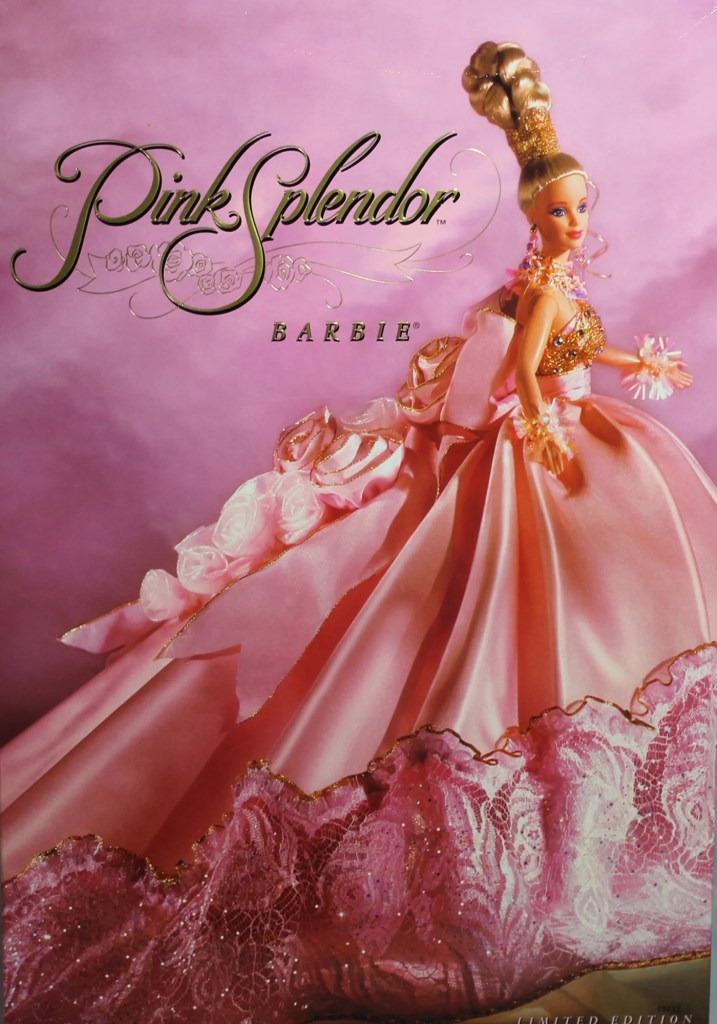
One of the most iconic examples of Barbie’s crossover into luxury is the Pink Splendor Barbie, released in 1996. Retailing at $900, it was the most expensive Barbie ever sold at the time. Dressed in a stunning pink satin and lace gown, with intricate beading and embroidery, Pink Splendor Barbie was more than a doll—it was a work of art. This doll marked the beginning of a new era where Barbie was not just a toy but a luxury collectible, cherished by adults around the world.
The Pinnacle of Luxury: The World’s Most Expensive Barbies
When we talk about Barbie in the context of luxury, it’s impossible not to mention the jaw-dropping prices that some Barbie dolls have fetched at auctions. These aren’t just any Barbies; they are limited editions, often created in collaboration with world-renowned designers and adorned with real diamonds, gold, and other precious materials.
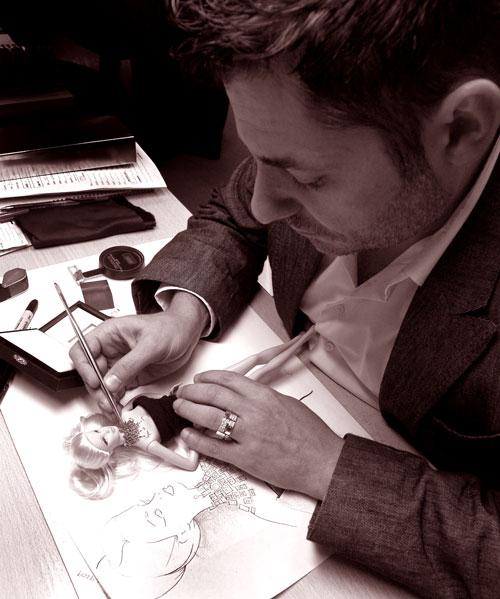
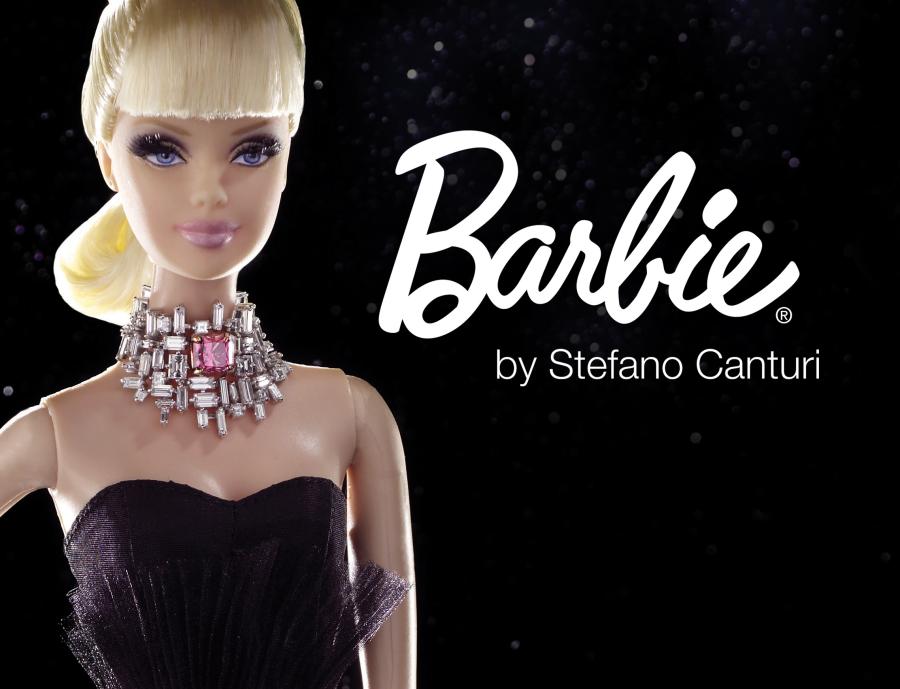
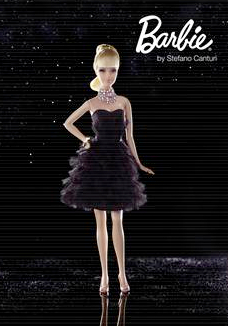
Take, for instance, the Stefano Canturi Barbie. Released in 2010, this Barbie was designed by Australian jewelry designer Stefano Canturi. She wore a black strapless evening dress, but what truly set her apart was the jewelry she was adorned with—a necklace featuring a one-carat pink diamond surrounded by three carats of white diamonds. This Barbie was auctioned for a staggering $302,500, making her the most expensive Barbie ever sold. The proceeds from the sale were donated to the Breast Cancer Research Foundation, adding a layer of philanthropy to this luxurious creation.
Another notable mention is the De Beers 40th Anniversary Barbie, released in 1999 to celebrate Barbie’s 40th birthday. This doll was adorned with 160 diamonds, including a diamond-encrusted belt, and was priced at $85,000. Such collaborations with luxury brands like De Beers and Canturi highlight how Barbie has transcended her origins as a children’s toy to become a coveted item in the world of luxury collectibles.
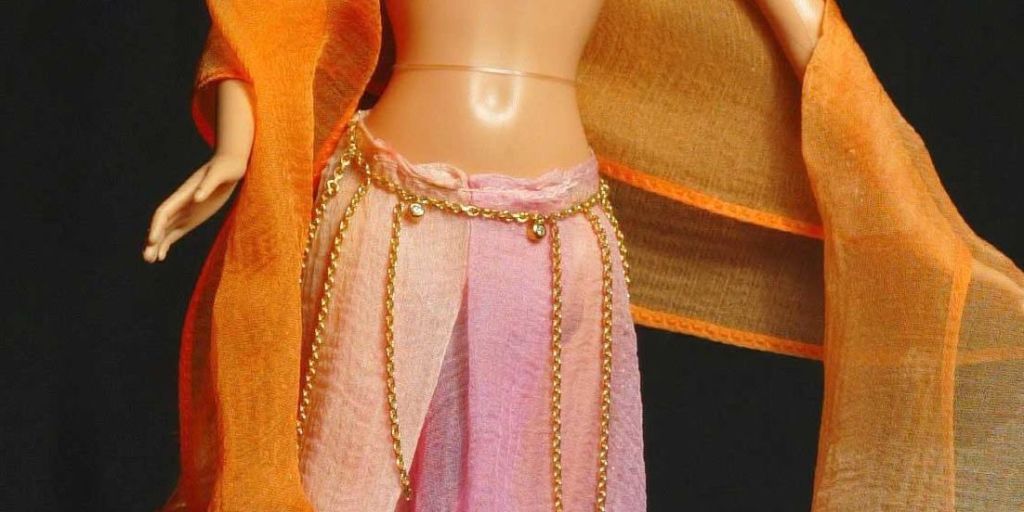
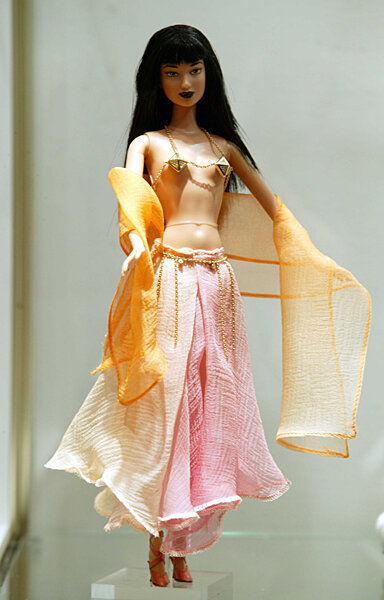

But the luxury doesn’t stop with the dolls themselves—Barbie’s accessories have also been elevated to the realm of high-end fashion. In 2014, Mattel unveiled a collection of Barbie accessories encrusted with real diamonds, created in collaboration with jeweler Lorraine Schwartz. The collection included miniaturized versions of some of Schwartz’s most iconic pieces, such as a pair of 18-carat gold hoop earrings and a diamond-studded bangle, all meticulously crafted to scale for Barbie. These accessories, while not mass-produced, demonstrated that Barbie’s association with luxury isn’t just about the dolls—it’s about a lifestyle that includes every detail, right down to her jewelry.

The partnership with Lorraine Schwartz, a jeweler known for dressing celebrities like Beyoncé and Blake Lively in dazzling diamonds, underscored Barbie’s status as a fashion icon in her own right. This collaboration not only reinforced Barbie’s luxury status but also positioned her as a muse within the fashion industry, inspiring real-world designs and trends.
Barbie as a Symbol of Aspiration and Empowerment
Barbie’s association with luxury isn’t just about the price tags attached to some of her limited editions; it’s also about what she represents. From her inception, Barbie has been a symbol of aspiration. She’s had more than 200 careers, from a doctor to an astronaut, and she’s done it all with style and grace. In many ways, Barbie embodies the idea that luxury isn’t just about material wealth; it’s about living life to the fullest, embracing new challenges, and always striving for excellence.

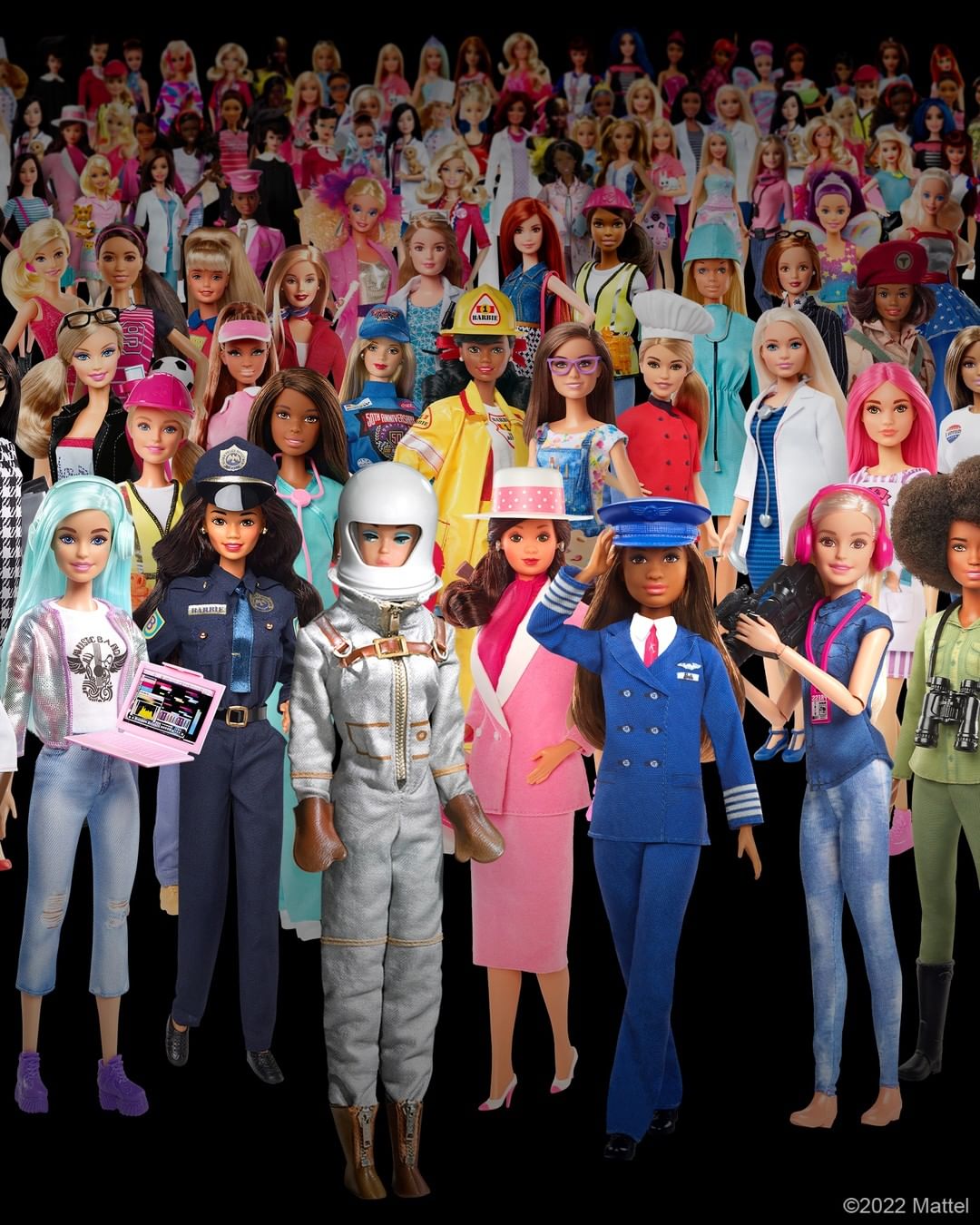
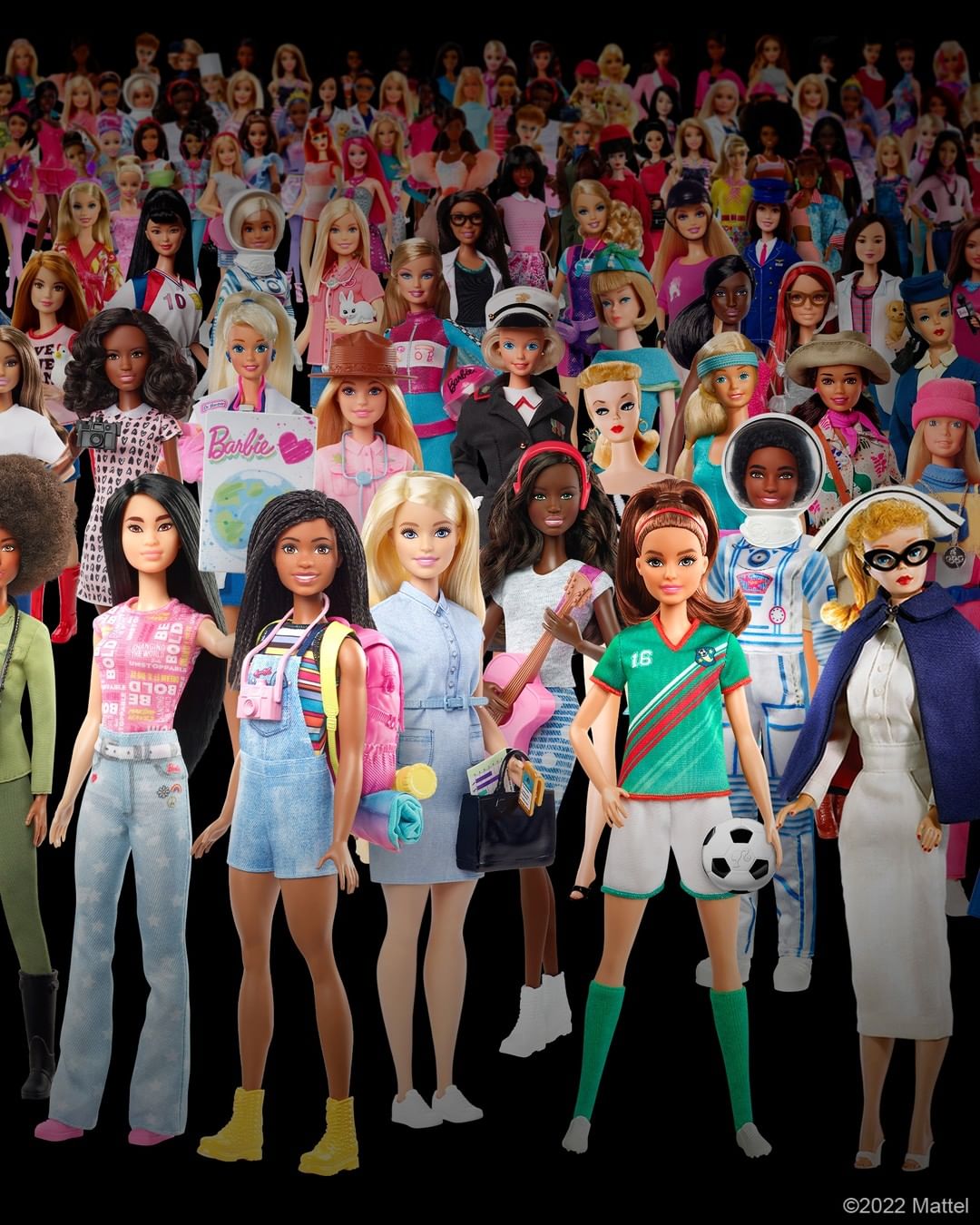
In recent years, Mattel has made significant strides in ensuring that Barbie is more inclusive and representative of the diverse world we live in. The introduction of Barbies with different body types, skin tones, and hair textures has been widely celebrated. This move towards inclusivity has only strengthened Barbie’s position as a symbol of empowerment. Luxury, after all, is about choice, and Barbie now offers a range of choices that reflect the diversity of her audience.
The Cultural Impact of Barbie in the World of Fashion
Barbie’s influence extends beyond the toy aisle—she’s also made her mark on the world of fashion. Over the years, Barbie has been dressed by some of the most iconic designers in the industry, including Versace, Dior, and Karl Lagerfeld. These collaborations have resulted in some truly memorable moments in fashion history.
One of the most iconic fashion collaborations was with the late Karl Lagerfeld. In 2014, to celebrate Barbie’s 55th anniversary, Mattel released a Barbie doll modeled after Lagerfeld himself. Dressed in a tailored black jacket, white high-collared shirt, skinny black jeans, and fingerless gloves, this Barbie was the epitome of chic. The doll was a hit, selling out within hours of its release.

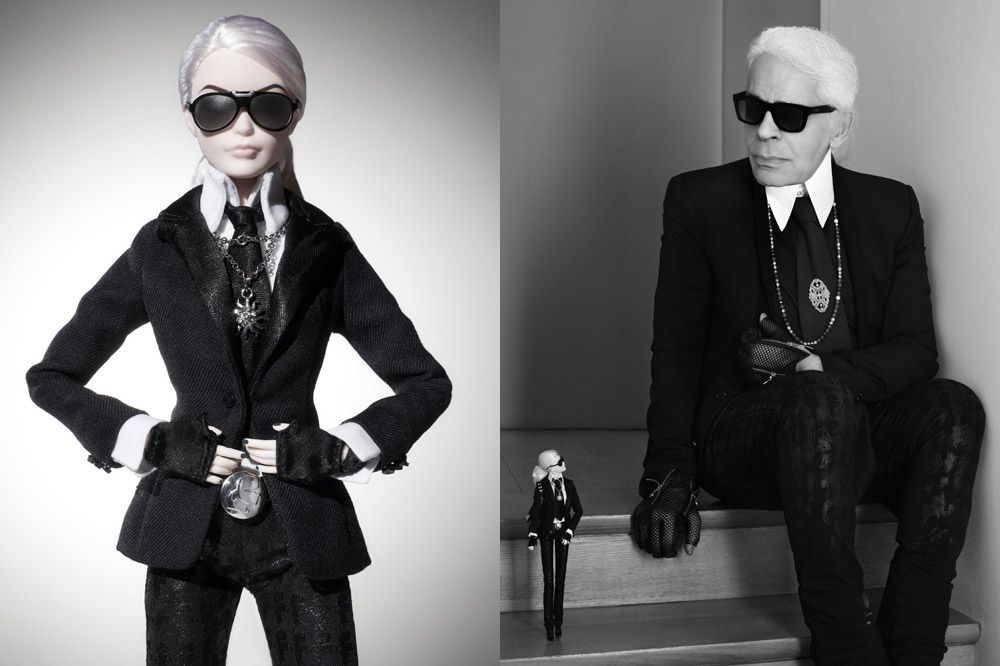
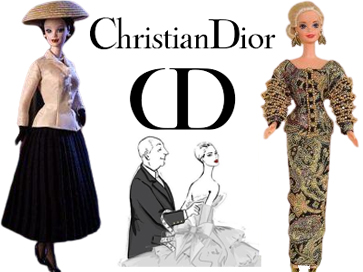
These high-fashion collaborations not only elevate Barbie’s status in the world of luxury but also reinforce her role as a muse and an icon. Designers are drawn to Barbie not just because she’s a blank canvas but because she represents the ultimate dream—the dream of living a life filled with beauty, style, and endless possibilities.
The Future of Barbie in the Luxury World
As we look to the future, it’s clear that Barbie’s place in the world of luxury is secure. The global brand value of Barbie in 2024 is estimated to be around $620 million, a testament to her enduring appeal. But beyond the numbers, Barbie’s cultural impact is undeniable. She’s more than just a doll; she’s a reflection of the times, a symbol of empowerment, and a luxury collectible.
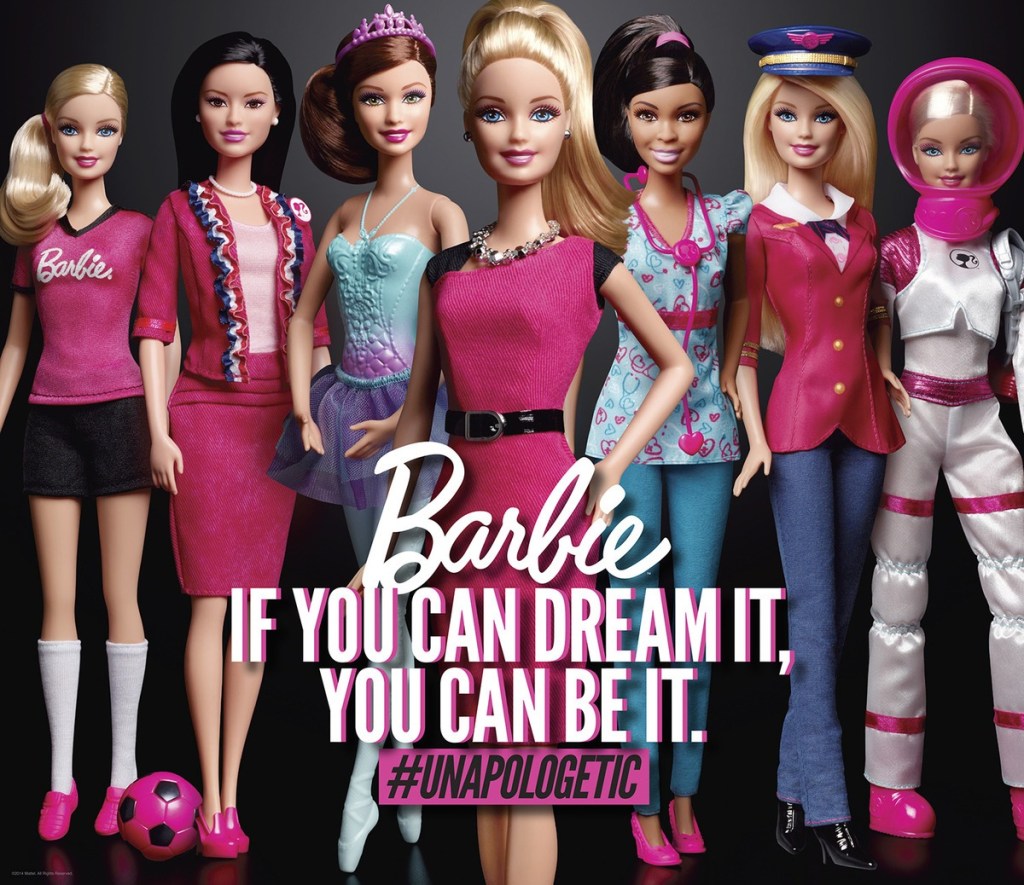
In a world that’s constantly evolving, Barbie continues to adapt, ensuring that she remains relevant to new generations of fans. Whether it’s through collaborations with top designers, the release of limited-edition dolls, or initiatives that promote inclusivity and empowerment, Barbie is always at the forefront of what’s next. And as long as there are dreams to be dreamed, Barbie will continue to be a symbol of luxury, aspiration, and endless possibilities.
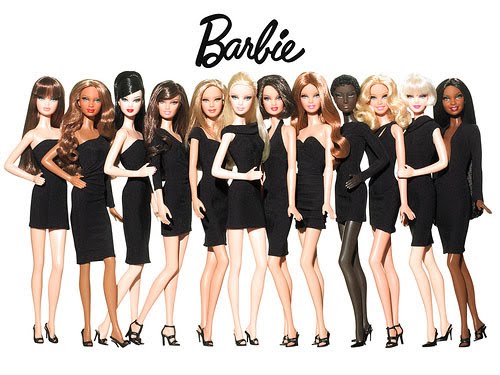
In conclusion, Barbie’s journey from a simple plastic doll to a luxury icon is a story of evolution, adaptation, and timeless appeal. She’s a testament to the idea that luxury isn’t just about price—it’s about the emotions, dreams, and aspirations that an object can inspire.
Barbie may be small in stature, but her impact on the world of luxury is nothing short of monumental.


 GLAM / AMOUR
Hope you liked the article! Let us know what you think!