

On the first Monday of May 2025, New York City shimmered in sartorial spectacle as the MET Gala unfolded in its customary opulence. Yet this year, something more profound stirred beneath the glamour.
With the theme “Superfine: Tailoring Black Style,” the evening was a tribute to the elegance and artistry of Black fashion. But amidst this celebration, another cultural crescendo played out: the Ascendance of South Asian Designers and Stars whose presence wove a rich tapestry of heritage, craftsmanship, and innovation into the very fabric of the event. It was not merely representation—it was Renaissance.
And before the first guest ascended the famed steps of the Metropolitan Museum of Art, their feet met the ground laid by artisans half a world away. For the third consecutive year, the expansive, richly textured carpet of the MET Gala was woven by Extraweave (the parent company of Neytt Homes), a Kerala-based company in India.
Known for its commitment to sustainability and traditional weaving techniques, Extraweave delivered a masterpiece of jute and textile innovation that was both eco-conscious and elegant. it took 480 people to work on the carpet for over 90 days to meet the MET Gala standards.
Shipped with military precision and unfurled to perfection, the carpet itself was a symbol: India was not just walking the red carpet—it was crafting it.
This year’s MET Gala wasn’t just an evening of fashion—it was a cultural reawakening. And no stars embodied this moment of cross-continental grandeur more vividly than the South Asian icons who graced the carpet with unapologetic splendor. They didn’t merely arrive—they commanded, conjuring regal silhouettes, ancestral motifs, and unapologetic confidence.
Leading this renaissance? The man known as the King.
Shah Rukh Khan: A Maharaja of Modern Times
When Shah Rukh Khan emerged onto the MET steps, the crowd hushed in awe. The Bollywood titan, a global symbol of charisma, made history as the first Indian male actor to attend the MET Gala. Draped in a regal black-and-gold sherwani, Khan’s attire was masterfully designed by Sabyasachi Mukherjee, a name synonymous with heirloom luxury.

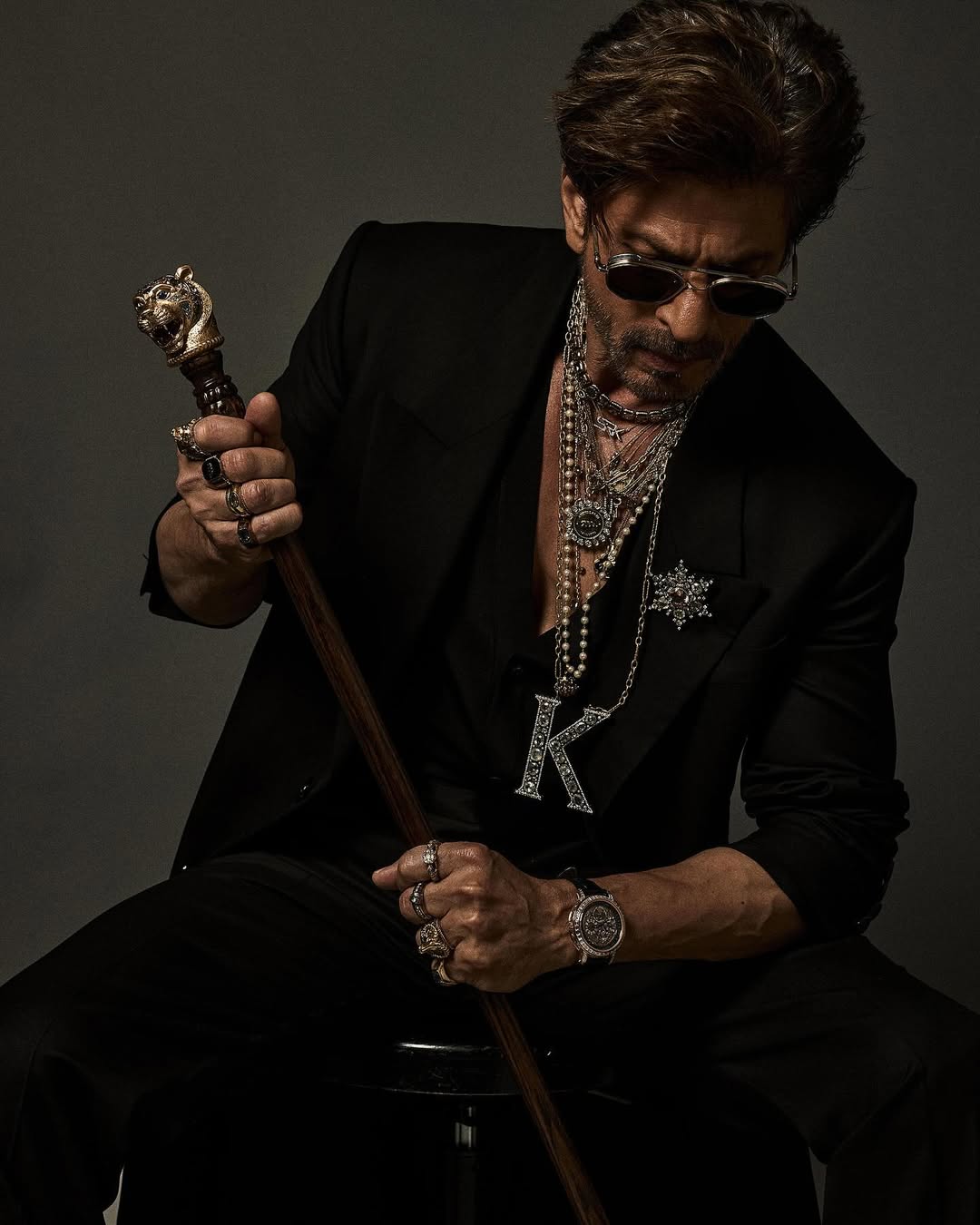
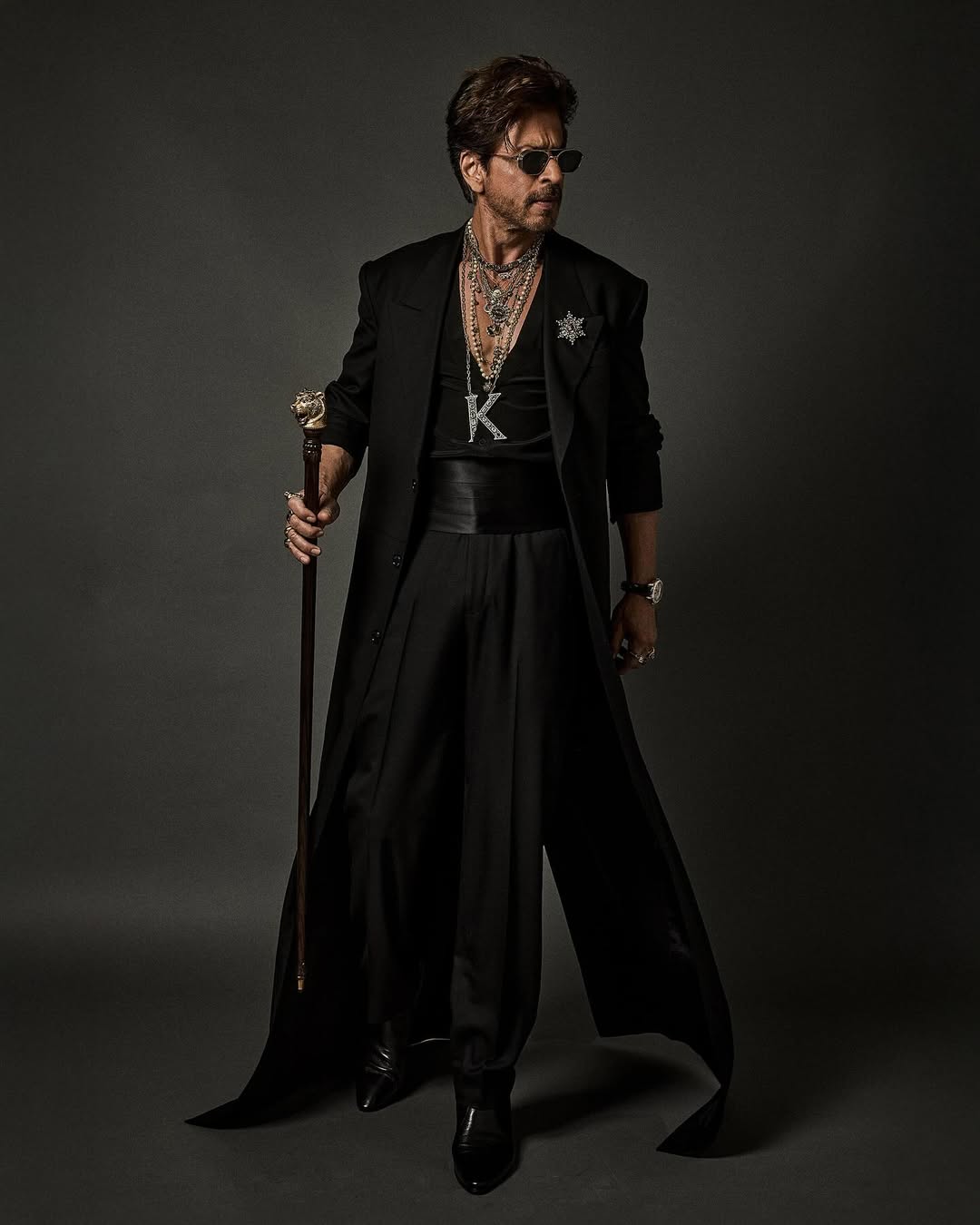
Khan’s ensemble glistened with golden embroidery depicting tigers, flora, and celestial motifs. A bespoke sceptre topped with a sculpted tiger’s head complemented his presence, while his jewelry — a cascading array of medallions, each bearing the initials “SRK” and the emblematic “K” — told a personal story of legacy and power. Every element of the look, from the handwoven fabric to the ornate buttons, spoke of ancient royalty reimagined through a modern lens. He wasn’t just dressed. He was enthroned.
Priyanka Chopra Jonas: High Drama, Higher Jewels
Priyanka Chopra Jonas, a MET Gala veteran, returned in spectacular style. Wearing a custom Balmain creation, Chopra served modern glam with vintage flair. The ensemble — a sharply tailored polka-dot jacket and sculptural black-and-white gown — played with proportions and silhouette, a nod to both classic couture and contemporary sharpness.
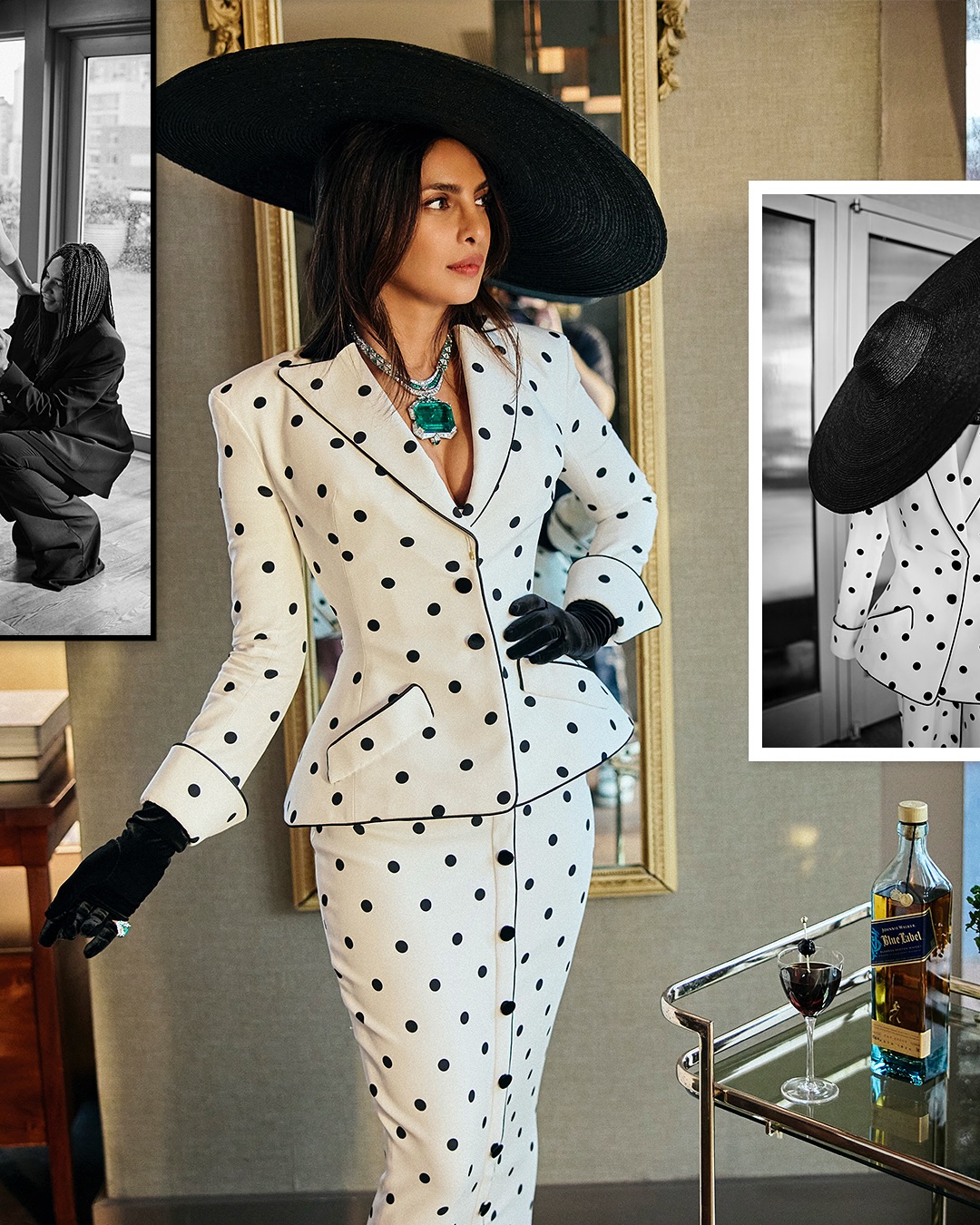
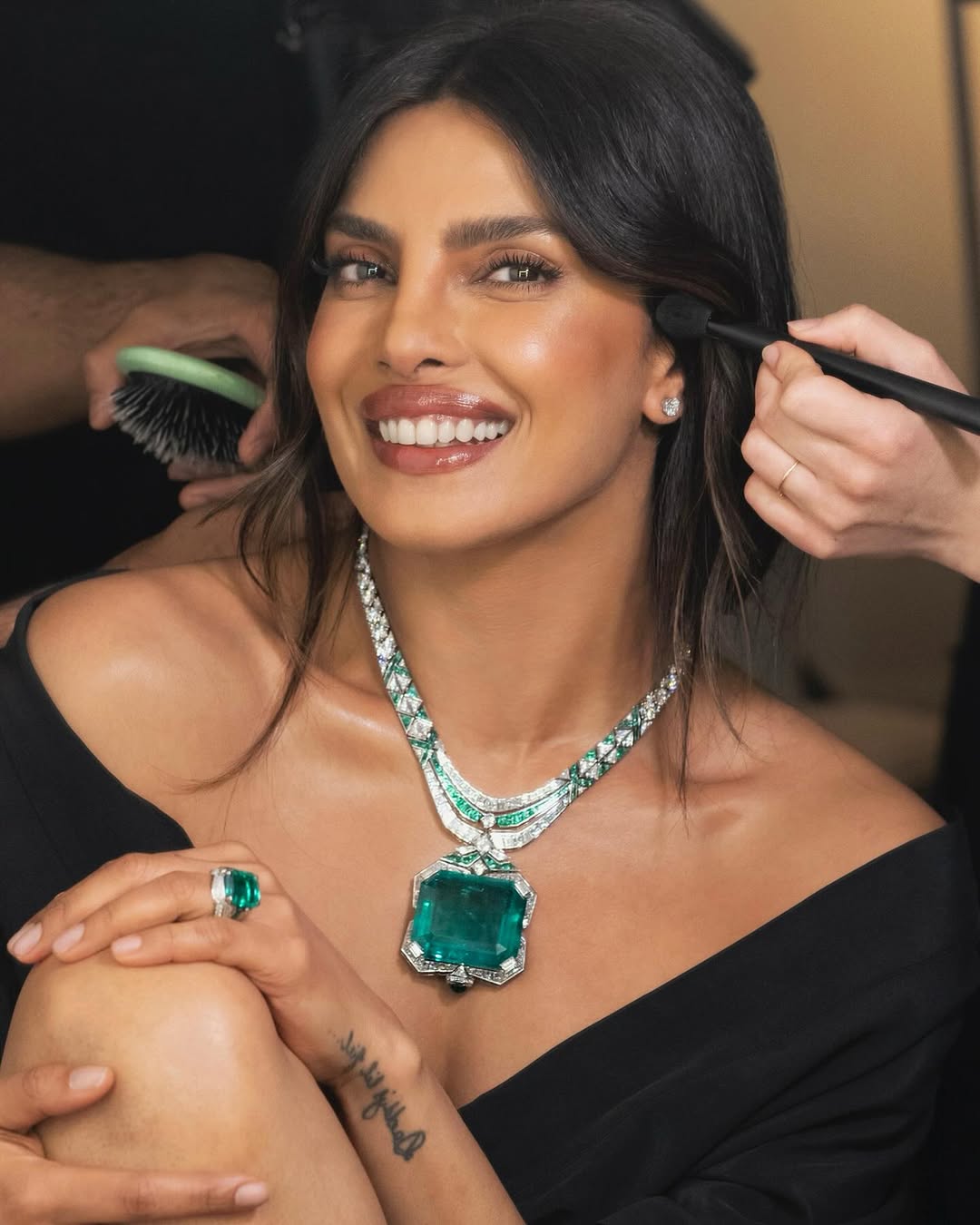
But it was her necklace that stole the night. Adorning her neck was a jaw-dropping 241-carat emerald piece by Bulgari, nestled into her collarbone like a gleaming artifact from a royal vault. The emerald, saturated and luminous, was offset by sleek hair, smoky eyes, and a signature deep berry lip. Chopra’s presence reaffirmed her status as a global fashion powerhouse — one who effortlessly bridges East and West with every appearance.
Mona Patel: The Butterfly Effect
A dazzling debutante at the MET, Mona Patel stunned in a futuristic yet romantic butterfly gown by Iris Van Herpen. Styled by the inimitable Law Roach, Patel’s silhouette was defined by 3D wing-like sleeves that shimmered with kinetic embellishments, catching light at every turn.
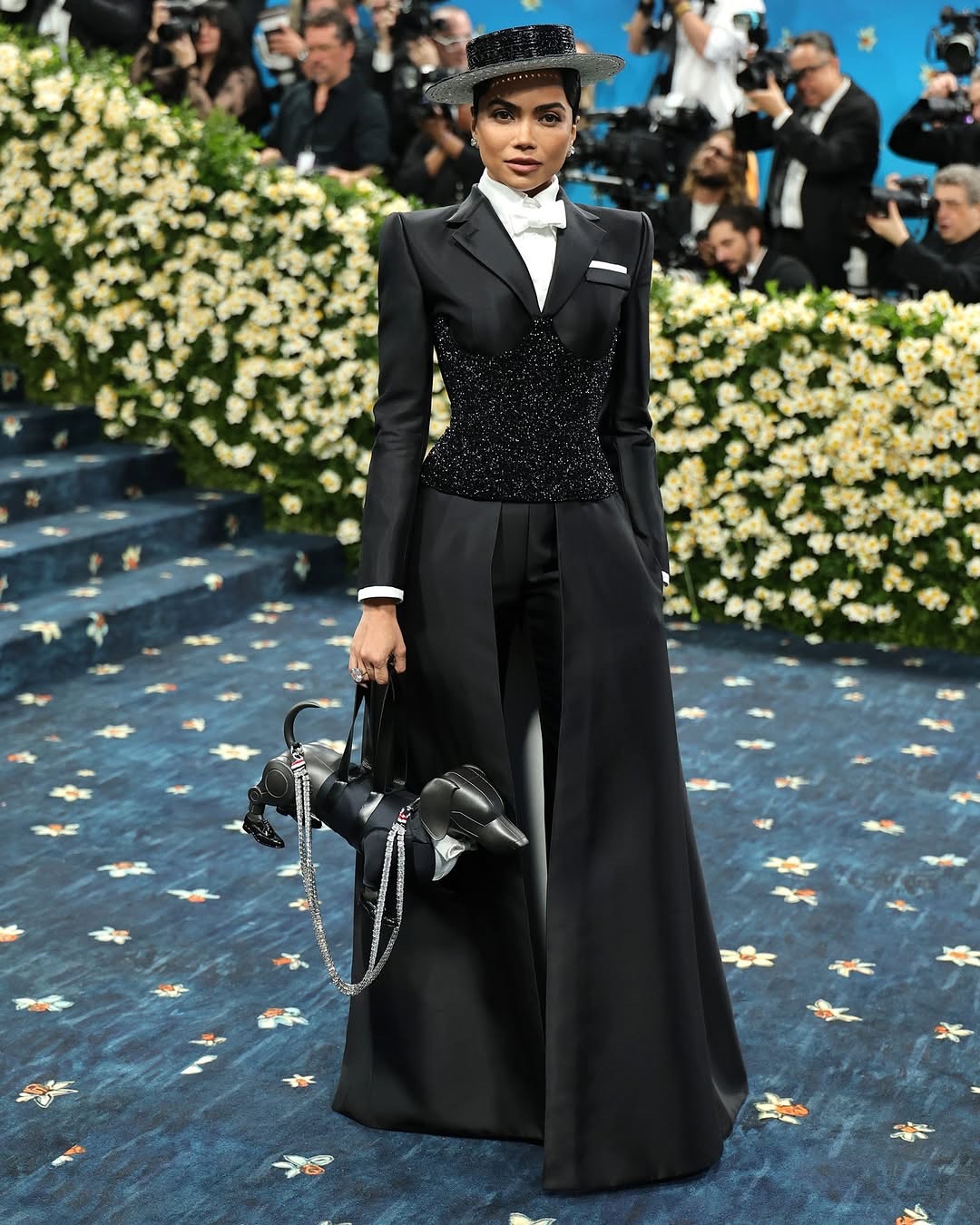
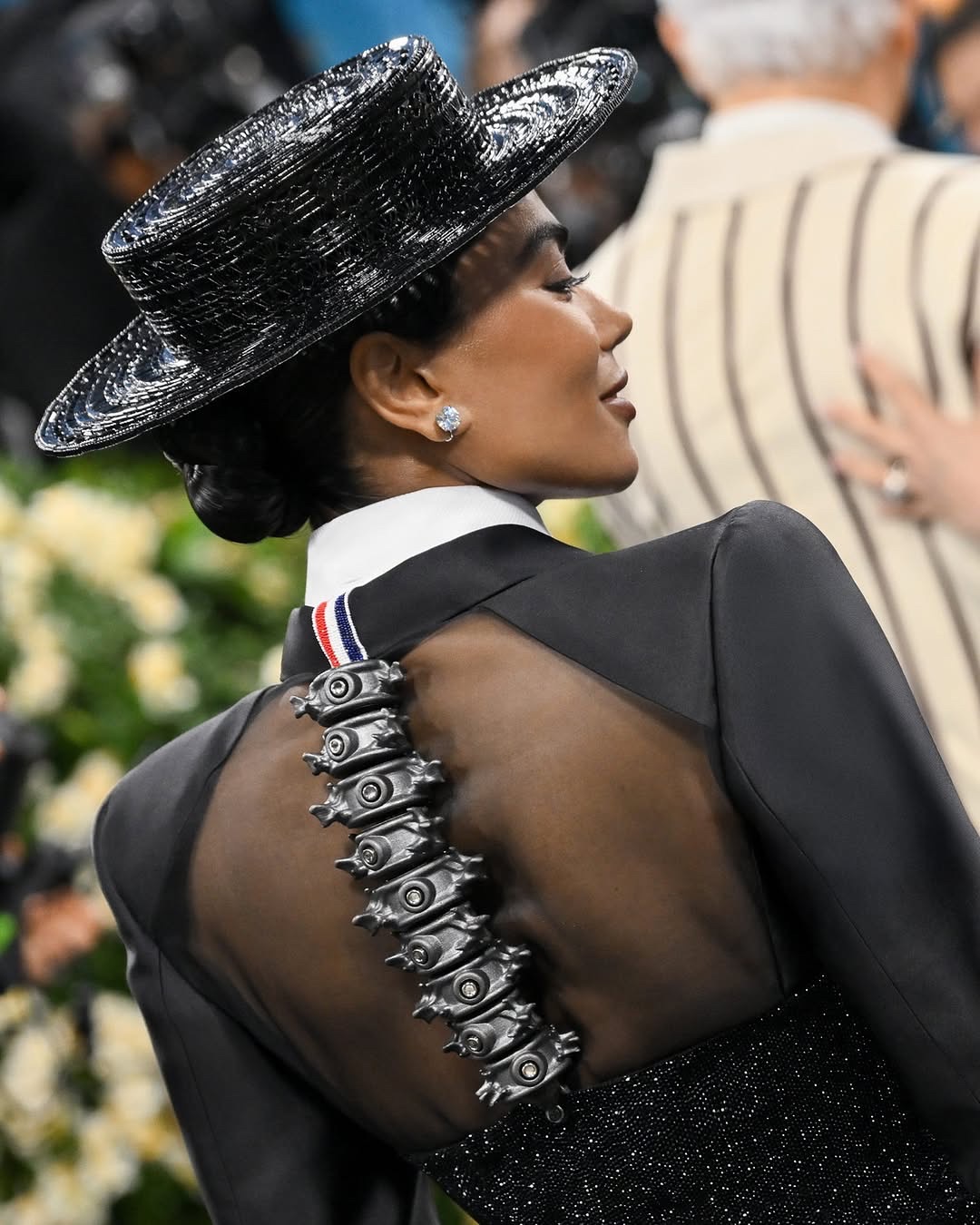
But beneath the sculptural drama lay symbolism. The butterfly, a motif of transformation and rebirth, echoed Patel’s own journey as a philanthropist and entrepreneur bridging East and West. Her South Asian heritage was subtly reflected in her sapphire jewelry set, inspired by Mughal craftsmanship, and the lotus motifs delicately embroidered onto the dress’s bodice.
Natasha Poonawalla: The Couture Connoisseur
Never one to shy from fashion’s most avant-garde expressions, Natasha Poonawalla once again cemented her status as an haute couture high priestess. Her MET Gala look, a custom creation by Maison Margiela’s John Galliano, was an architectural marvel.
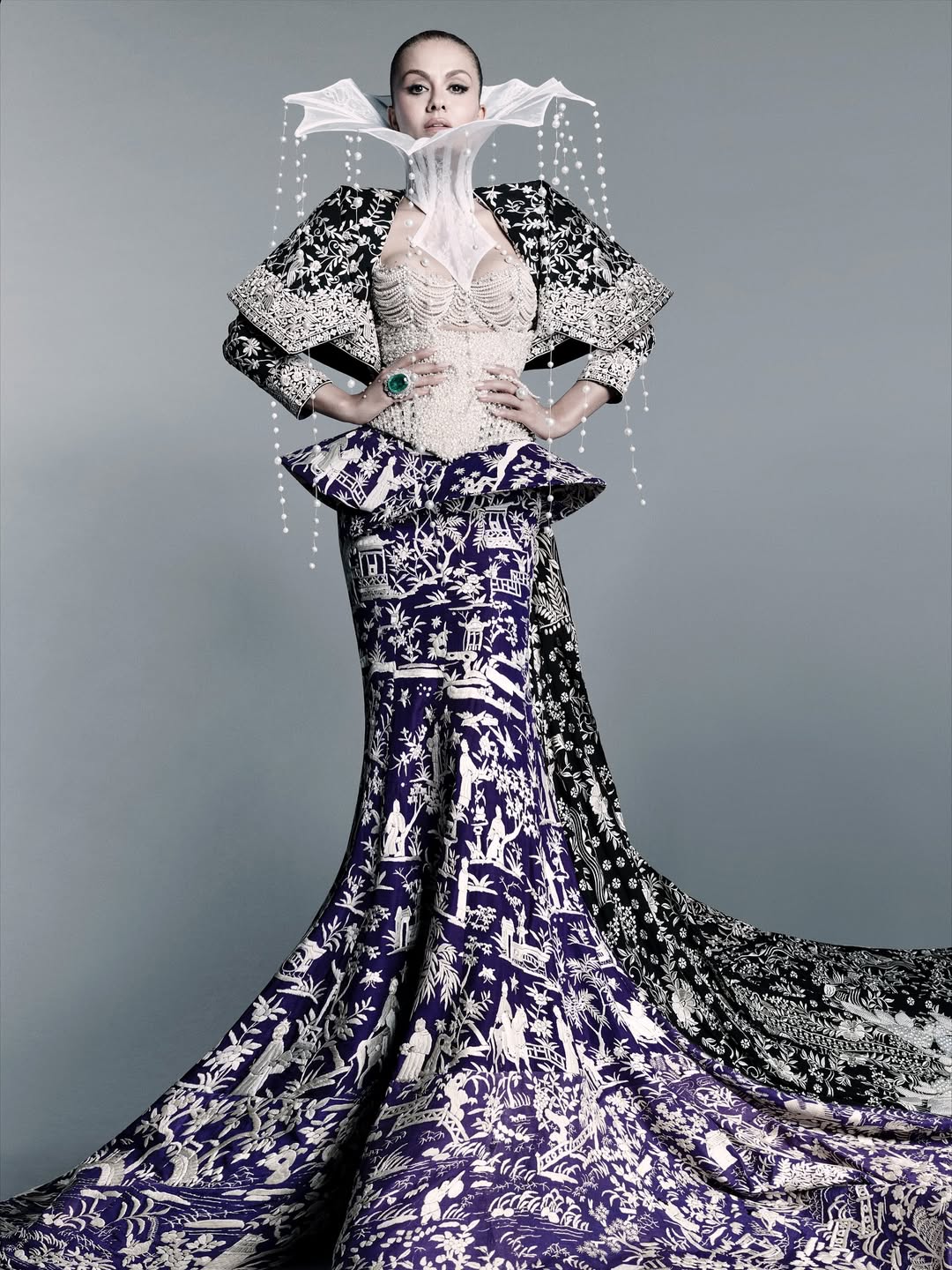
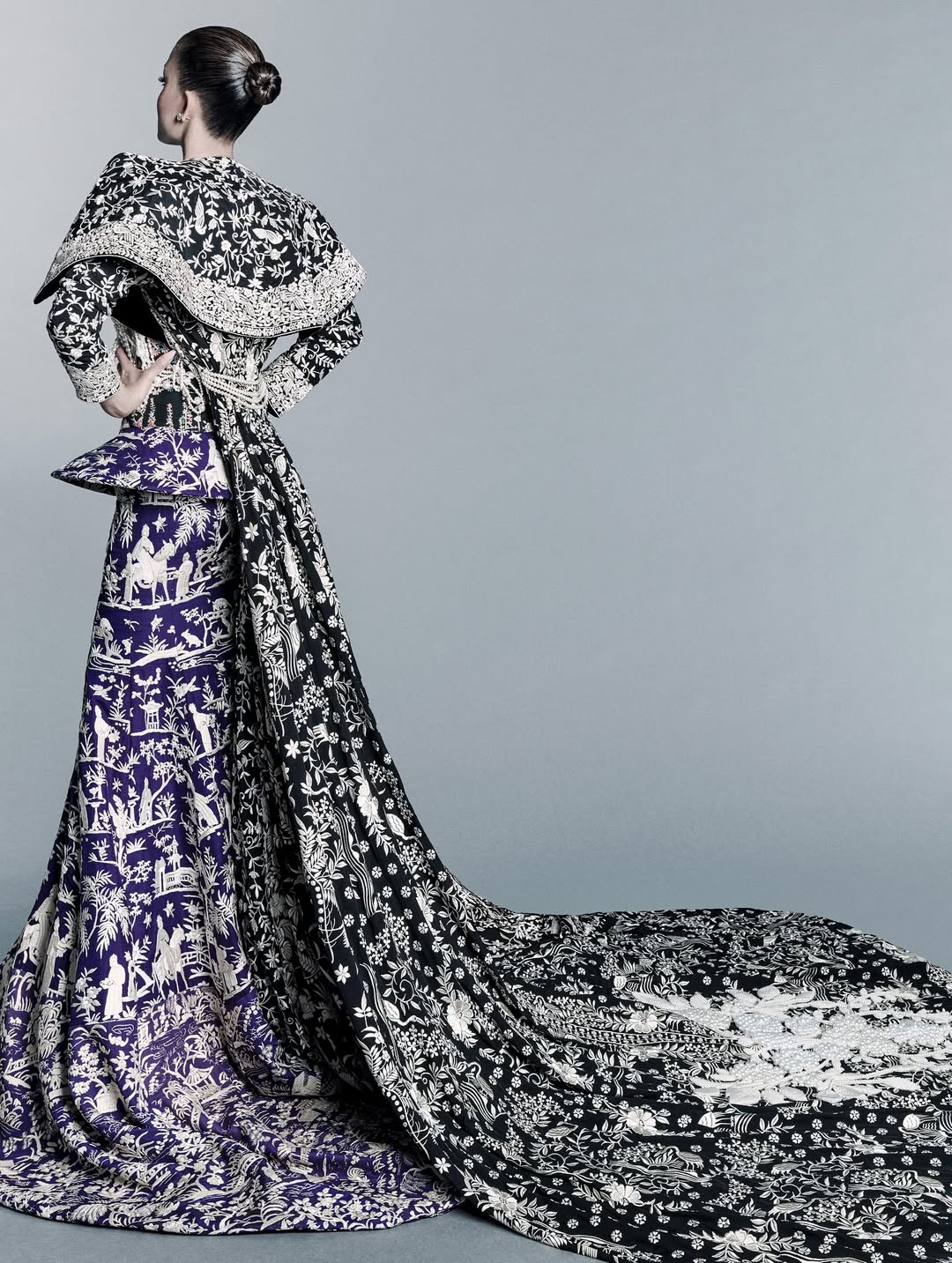
The sculpted white latex bodycon dress, juxtaposed with sheer black chiffon puff sleeves and an oversized beret, felt like a surrealist dream. But Poonawalla’s look went beyond spectacle. Paired with custom jadau bracelets, a vintage navaratna necklace, and toe rings reimagined in platinum, she delivered a lesson in how traditional South Asian ornamentation can electrify contemporary couture.
Designers Behind the Glamour: South Asia’s Golden Thread
Behind each luminous look was a team of visionary South Asian designers whose work transcended aesthetics.
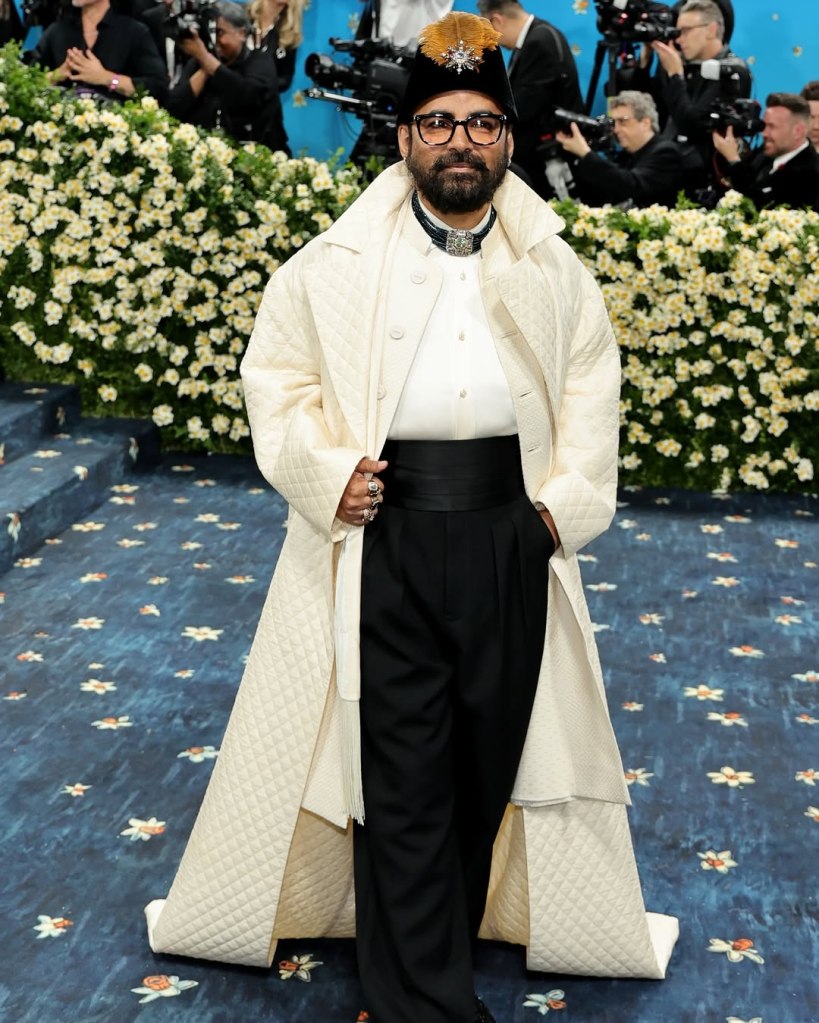
Sabyasachi Mukherjee, often dubbed India’s answer to Valentino, channeled Bengal’s textile legacy into global luxury. His reverence for handloom fabrics, zardozi embroidery, and vintage techniques brings not just beauty, but storytelling to the red carpet. The sherwani worn by Shah Rukh Khan was a crowning example of his design philosophy—regal yet deeply personal, ornate yet never excessive. Sabyasachi’s touch transforms garments into heirlooms, carrying centuries of culture with each stitch.
Manish Malhotra, India’s maestro of glamour, made a resplendent MET Gala debut that captivated both critics and fans. Embracing the theme Malhotra donned an elaborate embroidered cape coat over a silk shirt and intricately detailed tie, exemplifying the grandeur of Indian craftsmanship. A standout accessory was the golden elephant-face brooch on his overcoat, a subtle nod to Indian heritage.
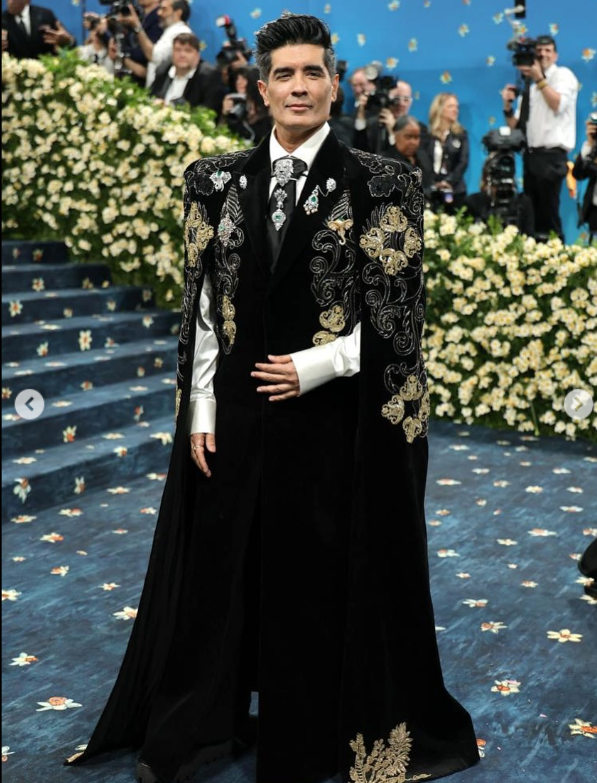
Malhotra’s presence on the blue carpet was more than a personal fashion statement; it symbolized the growing influence of South Asian designers on the global stage. His ability to blend traditional Indian elements with contemporary fashion narratives underscores the versatility and depth of South Asian couture.
As the MET Gala continues to evolve, the inclusion and recognition of diverse cultural aesthetics become paramount. Designers like Sabyasachi and Malhotra not only enrich the fashion dialogue but also pave the way for future collaborations that celebrate global heritage and innovation.
A Gilded Horizon: The Call for an Asian-Themed Met Gala
If the 2025 MET Gala proved anything, it’s that South Asia isn’t simply participating in global fashion — it’s setting the tone. With each saree, sherwani, and sculptural silhouette, these designers and muses challenged the world to expand its definition of glamour.
Imagine an entire MET Gala dedicated to “The Art of Asia“: a celebration of embroidery that tells ancestral stories, silks that shimmer with centuries of tradition, jewelry that carries both weight and wisdom. From Banarasi brocade to Burmese rubies, from kimono silks to Cambodian ikat, the treasures of Asia deserve their own night in the fashion sun.
Let the 2026 MET Gala be a reverie in tapestry, temple gold, and handwoven dreams.
Fashion, after all, is storytelling. And Asia has many more tales to tell.


 GLAM / AMOUR
Leave a reply to Primil Ashok Cancel reply