
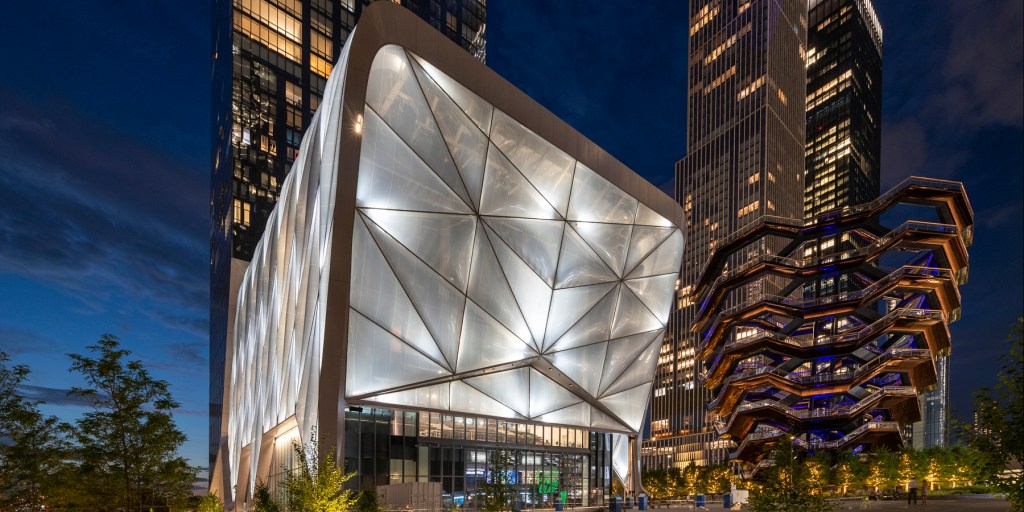
In the ever-evolving world of architecture, where innovation meets artistry, a fresh breeze is blowing, shaping the future of buildings: Kinetic Architecture. It’s a concept that is no longer just a conversation among avant-garde architects but a palpable reality that’s turning luxury living and design on its head. Whether it’s enhancing sustainability or heightening aesthetic allure, kinetic architecture is transforming our urban landscape into a dynamic, ever-shifting work of art.
What is Kinetic Architecture?
Kinetic architecture is not your traditional, static building. Instead, it introduces movement into its structure, creating a space that responds and adapts to its environment. Imagine walls that breathe, facades that shift with the wind, and rooftops that change their form depending on the time of day. This groundbreaking style of architecture brings buildings to life, making them more sustainable, efficient, and, in true Glam/Amour style, utterly luxurious.
At its core, kinetic architecture is about flexibility and responsiveness. It blurs the boundaries between art, technology, and sustainability, elevating the way we perceive buildings, especially in the world of luxury. What was once seen as grand in a static form now finds expression in its ability to move, adapt, and engage. The seamless fusion of innovation with function has carved a new narrative in how architectural design interacts with human experience.
The Three Pillars of Kinetic Architecture
According to experts, kinetic architecture can be broadly categorized into three main types: dynamic components, transformable structures, and buildings that change in response to environmental conditions. These three elements work in unison to create structures that offer a unique marriage of form and function.
Dynamic Components: These are moveable elements within a building that change position, such as rotating walls or sliding doors. These components aren’t just about creating eye-catching designs—they offer practical applications like adjusting for light, temperature, or privacy. Think of this as the smart luxury home’s natural evolution, where rooms literally transform themselves to suit your needs at the touch of a button or a whisper of the wind.
Transformable Structures: These go a step beyond, featuring entire sections of a building that can shift shape. An example of this would be retractable roofs or walls that fold away to blend the indoors with the outdoors. It’s a trend that’s sweeping through luxury estates, particularly in climates where maximizing the connection between interior and exterior space is key to enhancing the living experience.
Responsive Buildings: The ultimate expression of kinetic architecture comes in buildings that autonomously adapt to their environment. These structures can change based on temperature, sunlight, or wind speed, optimizing comfort and efficiency without the need for human intervention. In the luxury sector, this elevates the idea of ‘smart living’ to an unprecedented level of refinement, offering not just convenience but an intimate, sustainable connection with nature.
Iconic Examples of Kinetic Architecture Around the World
Let’s take a look at some of the architectural marvels around the world that exemplify kinetic architecture. These buildings are not just spaces; they are experiences.
UK Pavilion at Expo 2010 in Shanghai: Nicknamed “The Seed Cathedral,” this extraordinary structure had a kinetic aspect where 60,000 transparent rods extended from its core. These rods swayed in the breeze, creating a mesmerizing display of movement and light.
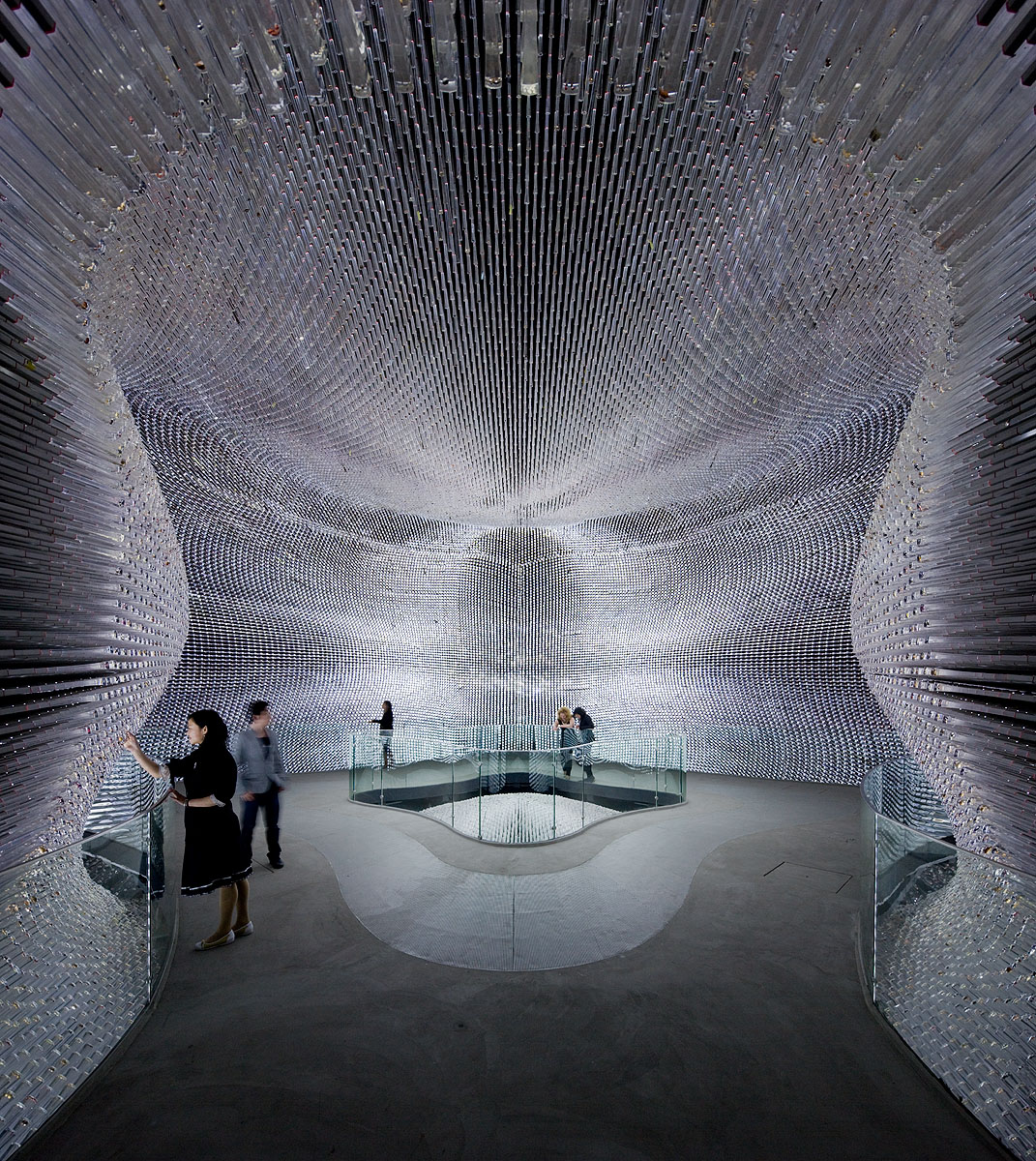
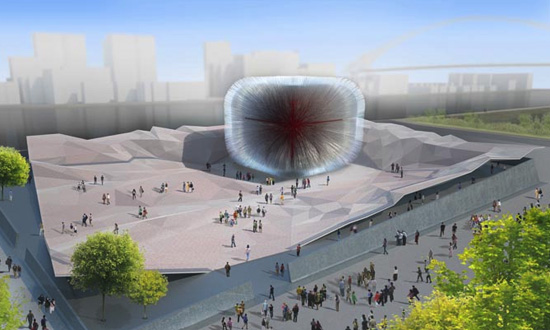
Beyond its sheer beauty, the pavilion offered a message of sustainability, using natural light to illuminate the interior.
After the exposition, the pavilion was dismantled as planned despite offers to buy it and reassemble it elsewhere. The seed-containing rods were originally to have been donated to schools.
The Bund Finance Centre, a striking mixed-use development on Shanghai’s famous Bund waterfront, was completed in 2017 and designed collaboratively by Foster + Partners and Heatherwick Studio. This architectural masterpiece spans 420,000 square meters and combines office spaces, luxury retail outlets, and a cultural complex.
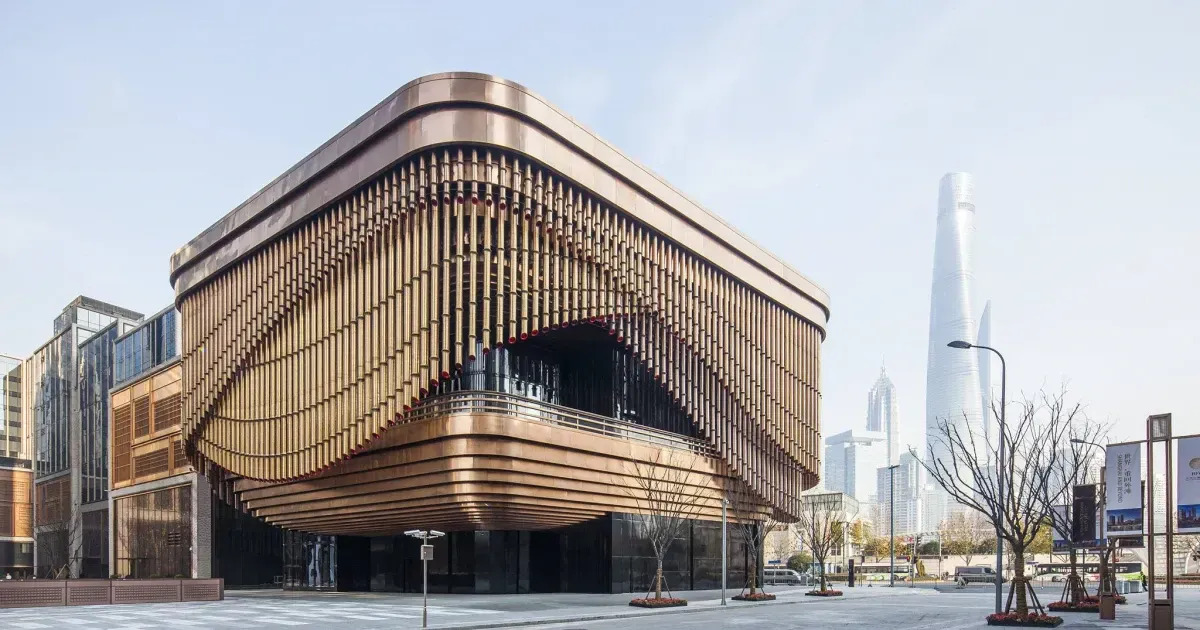
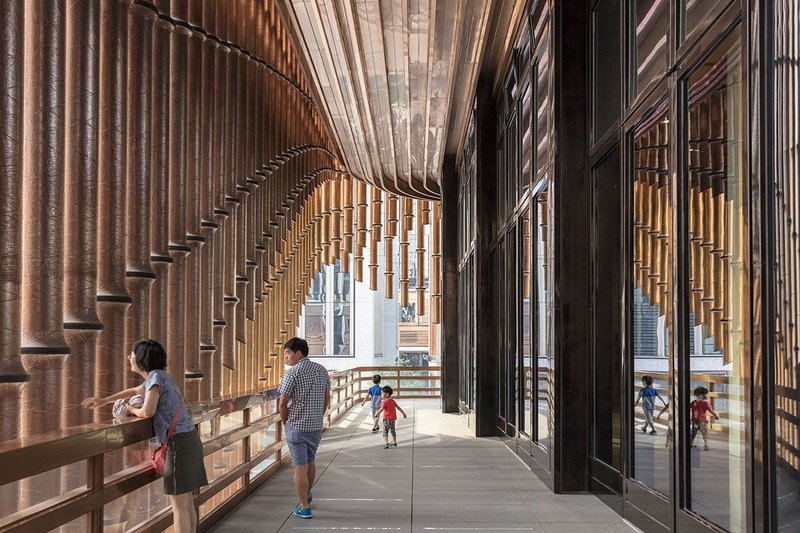
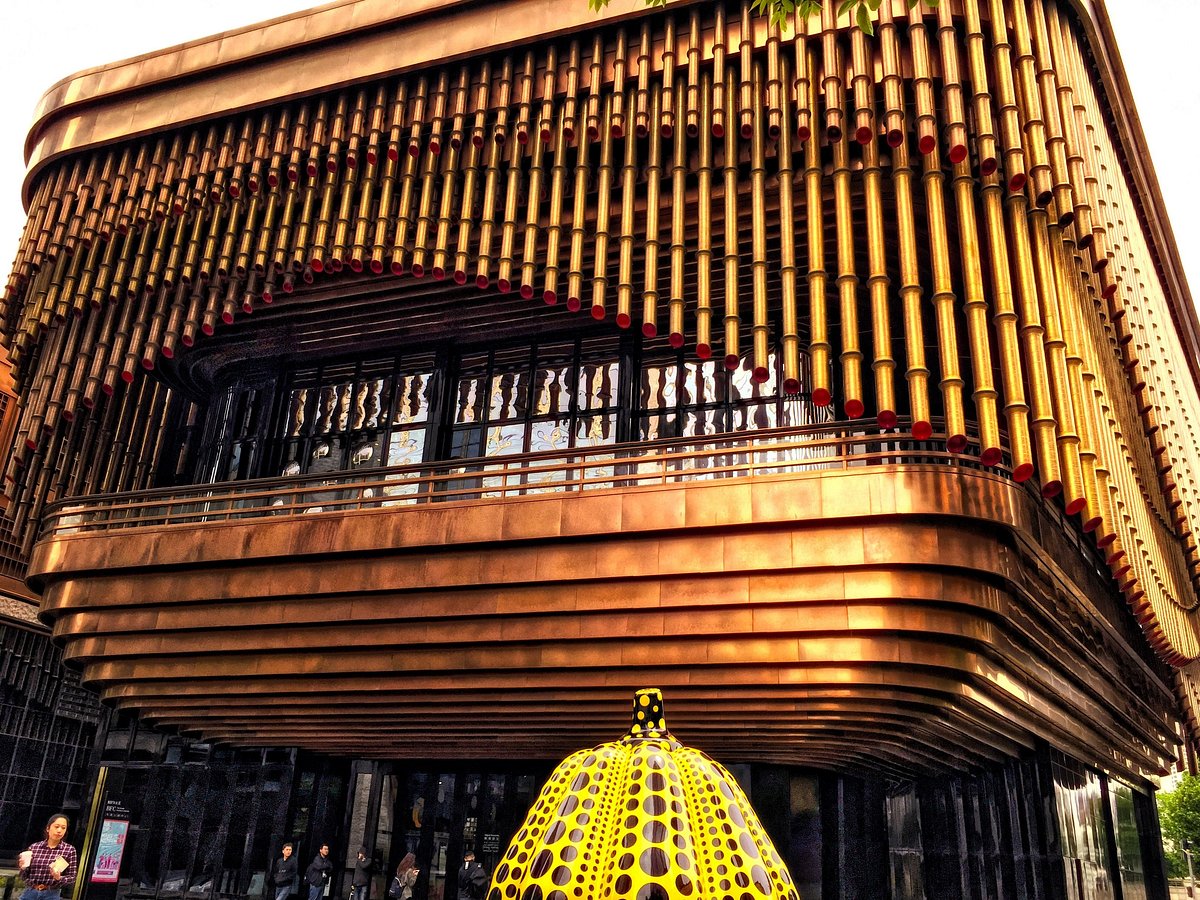
The cultural centre’s defining feature is its dynamic, kinetic facade—made of three layers of bronze tubes that resemble traditional Chinese theatre curtains. These tubes move and rotate, creating an ever-changing visual experience that responds to the building’s events and the environment.
The integration of this kinetic facade not only adds a theatrical quality to the structure but also symbolizes a harmonious blend of China’s historical culture with cutting-edge modern design. The project encapsulates the essence of Shanghai as a city in constant flux—where the historical significance of the Bund meets the contemporary energy of one of the world’s leading financial hubs. This seamless fusion of architecture, culture, and technology has transformed the Bund Finance Centre into a landmark that celebrates both tradition and innovation.
The Milwaukee Art Museum, designed by visionary architect Santiago Calatrava, is one of the most remarkable examples of kinetic architecture in the world. Opened in 2001, the museum’s signature feature is the brise soleil, a moveable, wing-like structure that spans 217 feet.
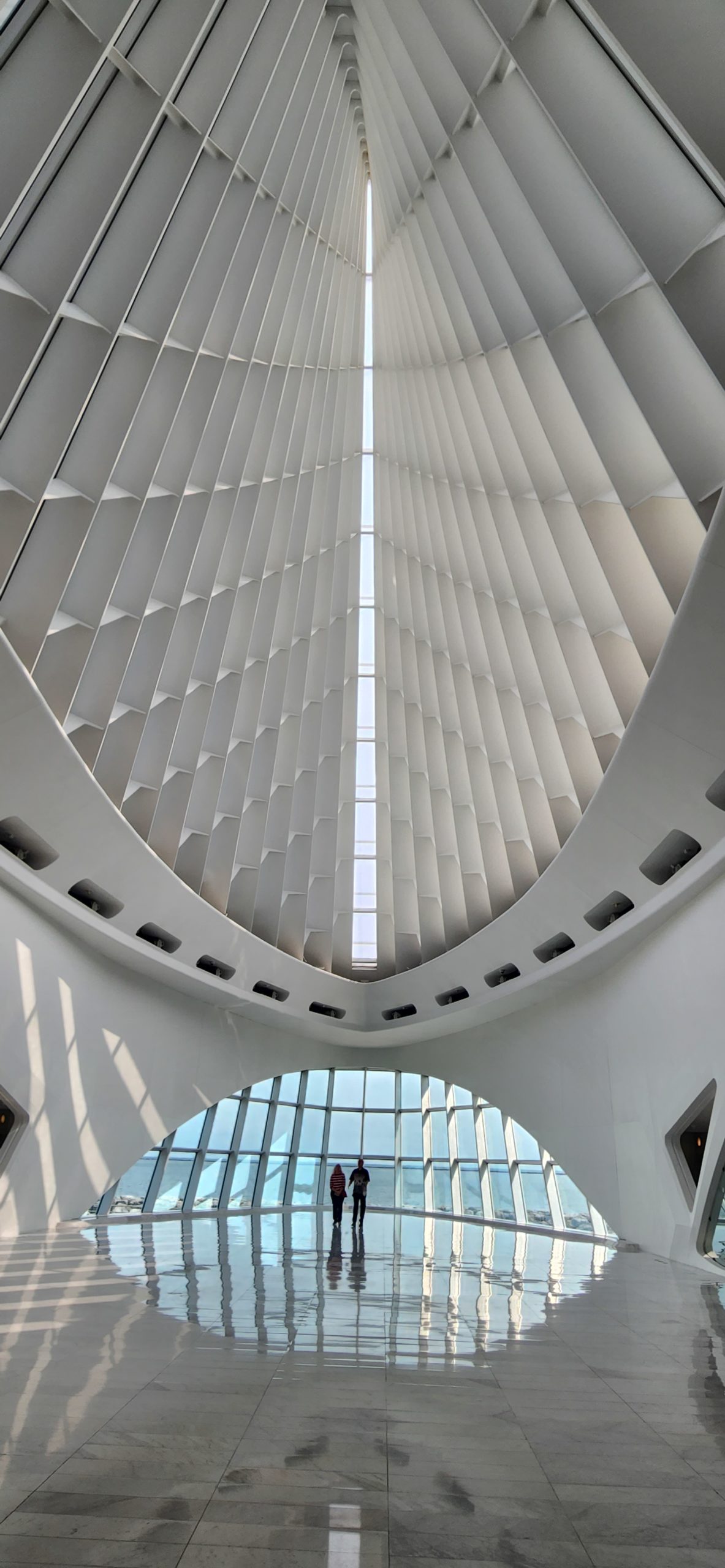
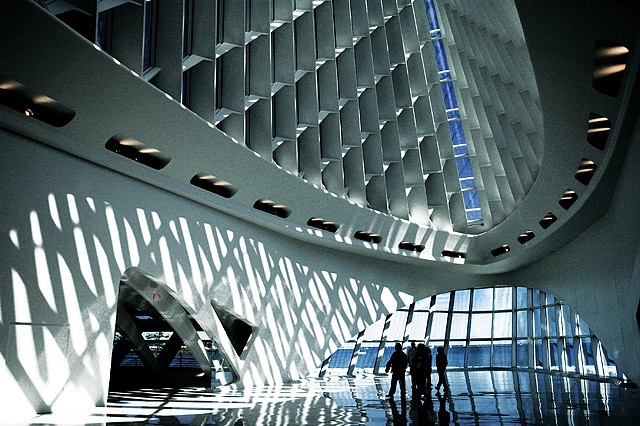
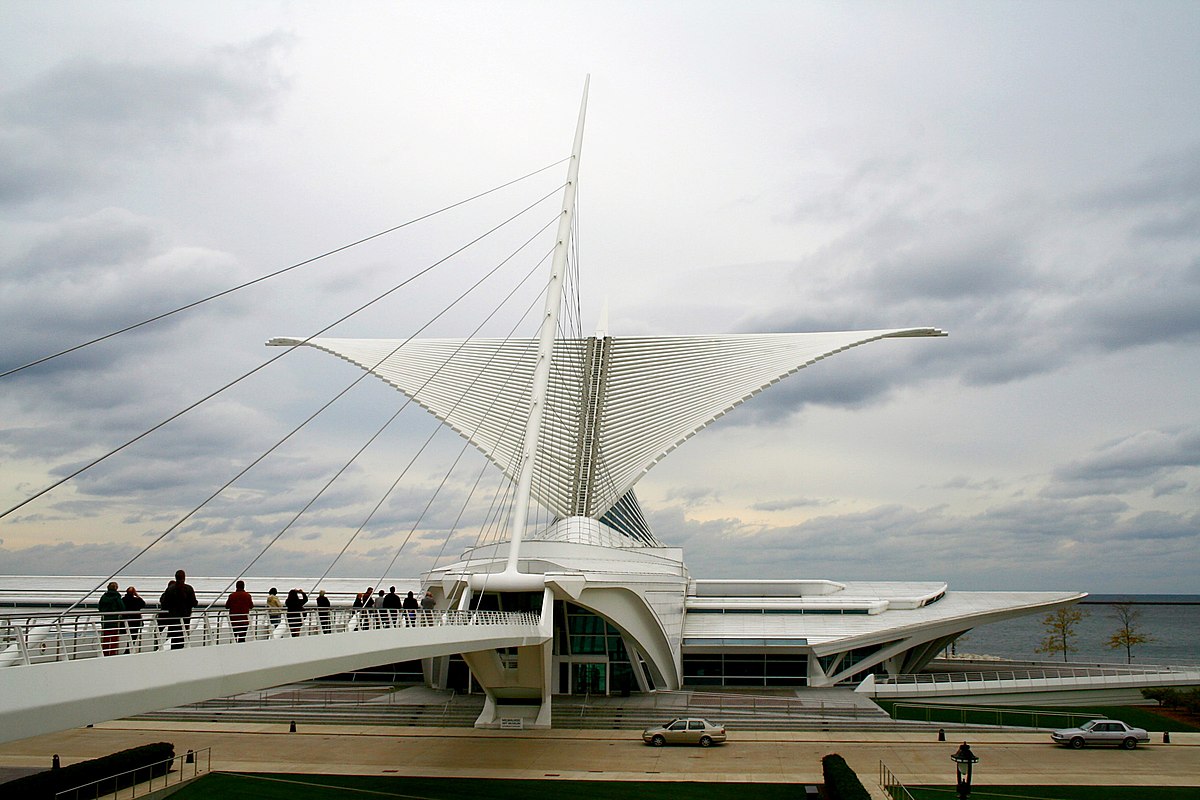
This dynamic element consists of 72 steel fins that open and close depending on the time of day, weather conditions, or special events, resembling the graceful wings of a bird in flight. When fully open, the wings create a striking silhouette against Lake Michigan, symbolizing movement, freedom, and harmony with nature.
Calatrava’s design extends beyond just the kinetic facade. The museum’s architecture also incorporates sweeping curves, flowing forms, and natural light, creating an immersive experience that blends engineering and artistry. The Quadracci Pavilion, which houses this iconic kinetic structure, is a symbol of innovation and creativity, representing Milwaukee’s embrace of modern architecture. This seamless integration of function and beauty makes the Milwaukee Art Museum not only an architectural landmark but also a cultural icon, drawing visitors from around the globe to witness its transformative design.
Sustainability Meets Luxury
At first glance, luxury and sustainability may seem like opposing forces—one conjuring visions of opulence and excess, the other of restraint and conservation. But kinetic architecture is proving that the two can coexist, with buildings that not only provide lavish living conditions but also reduce their environmental footprint.
Kinetic facades are one of the most striking examples of this synergy. By adjusting to external conditions, these facades can reduce energy consumption by minimizing the need for heating, cooling, and artificial lighting. In a world increasingly conscious of its environmental impact, luxury residences are leveraging kinetic design to offer a more responsible form of indulgence.
The Future of Luxury: Homes That Think and Feel
As we move further into an age of environmental awareness and technological advancement, Kinetic Architecture is expected to continue evolving, particularly in the luxury sector. The future of high-end living might include homes that think, where artificial intelligence and kinetic design merge to create spaces that anticipate and respond to residents’ needs. Windows that automatically tint to match your mood, facades that change color with the seasons, or rooms that reconfigure themselves based on your activities—these are the kinds of luxuries that kinetic architecture promises.
Kinetic Architecture is shaping the future of luxury design in unprecedented ways. By combining technology, sustainability, and aesthetics, it is transforming buildings from static structures into dynamic, interactive experiences. Whether it’s the graceful movements of a kinetic facade or the grand transformation of an entire building, this architectural innovation is making waves across the world of luxury, promising a future where design is not only seen but also felt.
For those who dream of spaces that live and breathe, that adapt and evolve, Kinetic Architecture is more than just the future—it is the ultimate expression of modern luxury.







Hope you liked the article! Let us know what you think!